Release Your Clients: Self Care for You, Reflexologist – 4

At the end of each and every day, it’s important to release all the client partners you worked with, spoke with on the phone, booked future appointments for.
Release the person, the session, the issues, into the universe.
Throughout the day, you do what you can for your client partners. At the end of the day, It is time for them each to accept your healing and go back out into the world.
Each person and his/her issues are now separate from you until the next appointment.
Releasing your client partners at the end of each day is important for them as well as for you. For one thing, when a person comes for a session, it’s important that she/he become separate after the session. This separation promotes healing. .
One easy way to release your client partners is to cut the cords at the end of the day. An easy way to do this is to visualize the cords connecting you with your client partners. Now, take a pair of beautiful, golden scissors and snip them.
A second easy way is to offer a releasing meditation at the end of each day you work. You can write a releasing meditation to use just for this purpose.
A third way is to offer a releasing ceremony. To do this, simply write your own ceremony for releasing your clients. To end the ceremony, drape a special closing cloth over your healing table. Leave this ceremonial cloth on the table until you remove it when you return to work the next day.
A fourth way is to find a piece of music which signifies to you an ending. Play this music for a few moments at the end of each work day.
Smudging is also an effective way to end your day.
Essential oils are important also. Suggestions include frankincense, Idaho balsam fir, lavender, myrrh, palo santo, patchouli, and sandalwood.
Reiki is always appropriate for ending your day. A self-reiki session is a meditation in itself. Reiki the space you worked in all day.
So, here you have a selection of options to choose from. Over time, you may vary your releasing techniques. Experiment. Find out what works best for you.
Thank you for reading this reflexology article.
Please refer this blog post to your preferred social media network.
Thurman Greco
Self-Care for you, Reflexologist – 2
Working a full day is challenging. Only another body worker or healer knows what a day full of appointments means to you, the reflexologist – physically, spiritually, mentally, emotionally.
There are things you can do to minimize the fatigue encountered on just such a day.
One thing you can do that will help immensely is release the appointment when your client partner’s session comes to an end.
What you want is to release the person, the issues, the intention, the time spent to the universe.
When you do this, do not forget to “cut the cords” between you and the person to emphasize that the session is over.
You have done what you can for this person in the time allotted during the session. It’s time now for him/her to accept your healing efforts and return to the world.
Once you release the person, both the your client partner’s body and issues are gone from you until the next appointment.
The whole release may not take but a few moments. A suggestion is that you write a script for release and mentally repeat it as each client partner leaves your table.
If you are a ceremony person, you may write a ceremony of release to practice in your space at the end of each shift. This ceremony may include essential oils, smudging, prayer, Reiki therapy.
This releasing gesture seems easy enough but many people don’t do it. This release makes a difference in your health, your energy, your career.
Whatever you do, it’s important to release each and every client partner who comes to your table.
Thank you for reading this blog.
Please refer this article to your favorite social media network.
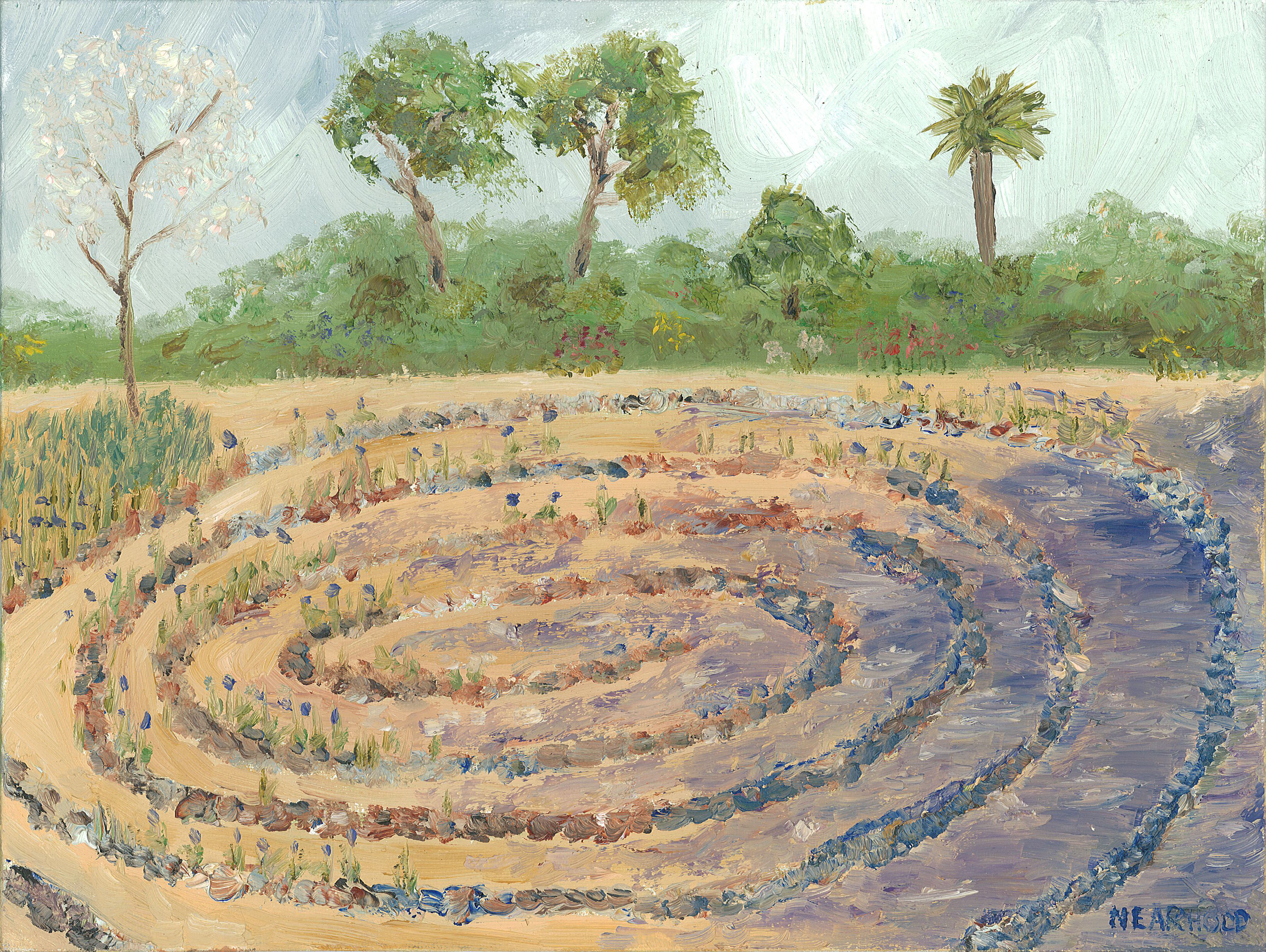
Jennette Nearhood provided the artwork for this blog.
Thurman Greco
Self-Care for You, Reflexologist
When you look at your calendar for the coming week…where are YOU on the schedule? If you are not on the schedule, you are not doing the basic self-care things things to protect your career. Self-care is the difference between a two-year career as a healer and a twenty-year career as a healer.
You are the healer. You join the professional organizations. You pay your taxes. You make sure your office is “just right”. You take continuing education classes. In short, you do the things necessary to protect your business.
But, what about you: your body, your spirit, your emotional strength, your thoughts? Where are they lined up here with the bills and the available appointments, and the marketing activities?
For many healers, body workers this is the most difficult thing to do on the entire list. As reflexologists, we’re accustomed to give, give, give. And, we enjoy giving. Obviously we enjoy giving or we would never have taken even the first class.
The bottom line here is that you commit to your own private, inner, personal wellness when you receive a weekly session. You also set an example for your client partners.
Things you can do!:
Begin by filling your spiritual tank. Schedule a session for yourself each week. Every week. Do something. Get a massage. Get a Reiki session. Schedule a session with a shamanic healer. Try out that new chiropractor who just moved into your neighborhood.
Do something! The important thing is to get on someone else’s table at least once a week.
Personally, I receive an hour-long Reiki therapy session every week…no matter what. I also receive a reflexology session every week. The work I do the rest of the week is much better for this hour which I invest in myself.
Thank you for reading this blog.
Please refer this article to your preferred social media network. Share this article with a fellow healer.
Thurman Greco
Forgiveness
In 1513 Juan Ponce de Leon went exploring for the fountain of youth in what is now Florida. He found it and it exists. A branch of it is probably at a fitness center in your community. I found one in my community. It’s called the Fitness Connection and is on Albany Avenue in Kingston, New York.
There is a branch of the Fountain of Youth within reach of you. Can you name one? Do you use one? Regularly?
Being tuned into the Fountain of Youth is important. Don’t ever mistake this. But, it’s also important to be healed. The quality of your life will be much better when you can forgive those who injured you in some way. Forgiveness opens the door to healing.
Without forgiveness, we go through our daily life carrying anger, blame, fear, guilt, hurt, regret, resentment, revenge, sadness.
Getting rid of negative baggage can change your life for the better.
Begin to release this negative baggage by listing the people in your life who you need to forgive. Include yourself in this list if you blame your self for things as well. (Don’t we all?)
Now, spend some time each day forgiving those who need forgiveness. You are forgiving people for yourself…nothing more. You know that when you offer forgiveness, miracles can occur.
Don’t worry about the person anymore. You are releasing this person’s energy into the universe. You are releasing this person’s karmic connection to yourself. You are cutting the cords which have been binding you together.
Healing you never expected will take place.
How does forgiveness happen? How can you make this work for you?
Sit for a few minutes in a quiet place and offer forgiveness to each person individually:
“I offer forgiveness to ………………………….. I forgive you for …………………………………..
Now, I am free and you are free, too. I release you to your divine plan of life. Everything between us is cleared up, now and forever.”
When you have forgiven everyone you can remember, go into your past lives and offer forgiveness to those who need it:
“I offer forgiveness to everyone in my past life who has damaged me in some way. I forgive everyone for whatever he/she did. Now, I am free and you are free, too. I release you now. Everything between us is cleared up, now and forever.”
These forgiveness meditations may take more than a day. Actually, they may take several weeks or even months. Don’t worry about this. Take whatever time is necessary. Forgive a person or few persons each day when you have a few moments.
As you do this, notice how you feel when this happens. Notice how much better you feel with each meditation. Notice how much better you look. Notice how much younger you act. Notice how much excess weight you are losing.
You may not observe any changes immediately. However, you will begin to see yourself, your environment, and your world improved, healed, more beautiful.
As you forgive people and release them to their divine plans…
You will feel better.
Your vocabulary will change.
Your thoughts will be positive.
You will feel free.
You will feel light.
Replace the negativity with love.
Bring love alive in your life.
Eat, sleep, and breathe love.
ENJOY!
Thank you for reading this article. Please share this blog post with your favorite social media network.
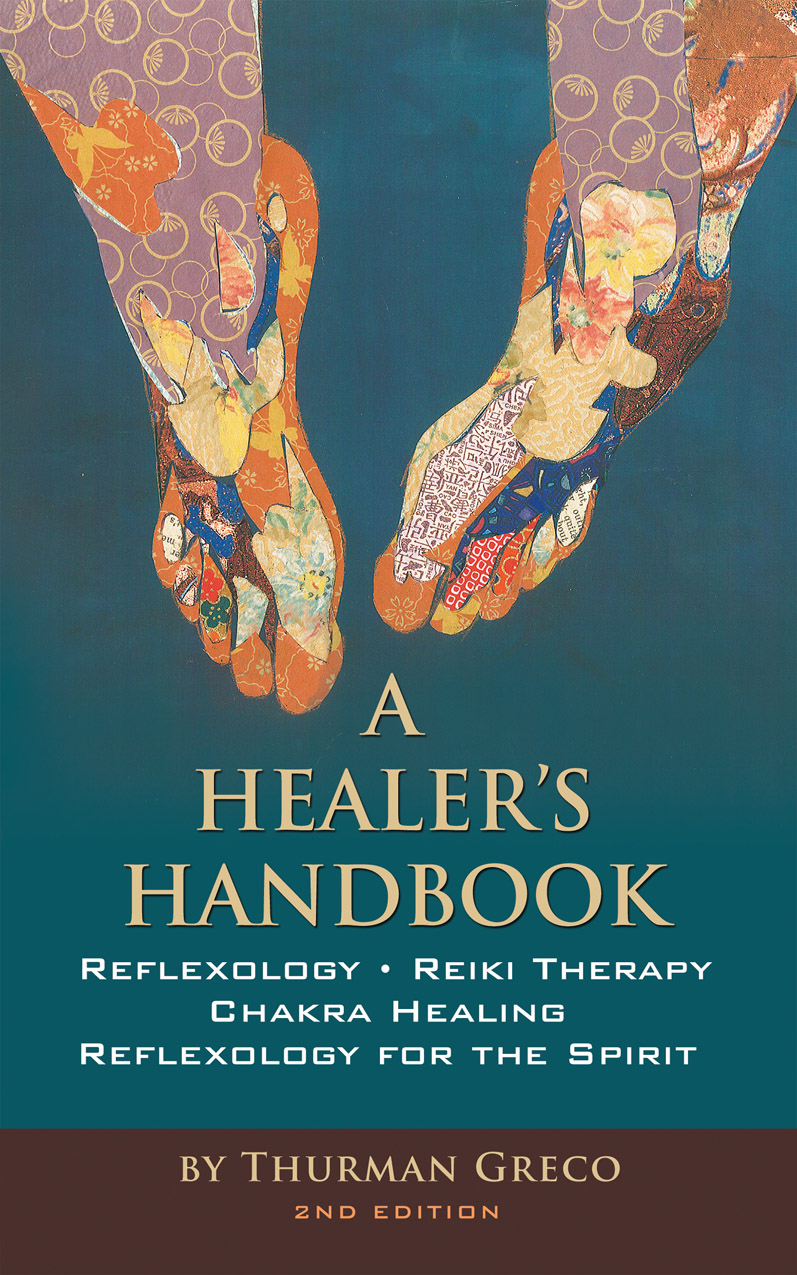
Spread the word about “A Healer’s Handbook”! Thank you to everyone who has purchased this book. Thank you to everyone who will purchase this book in the future.
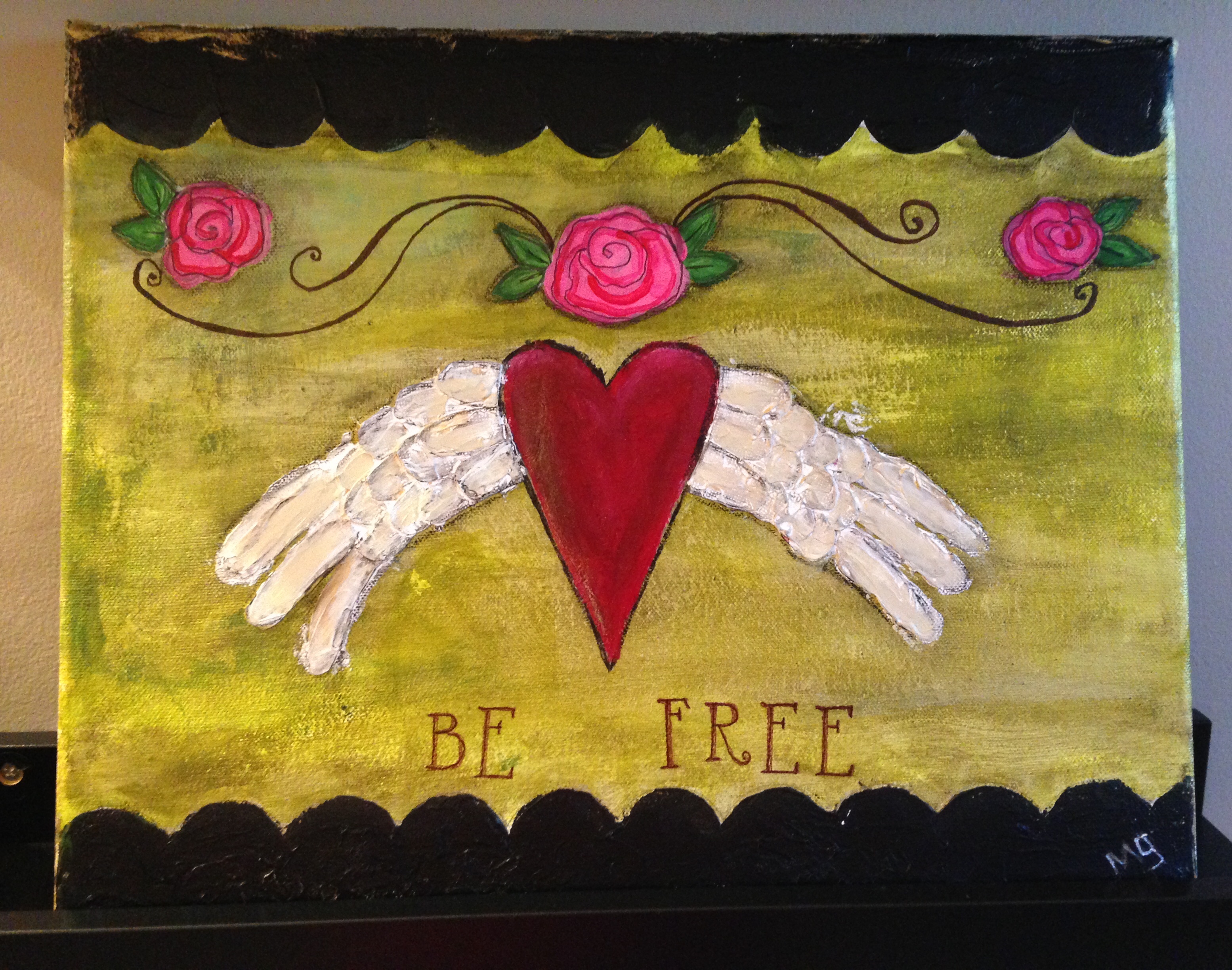
Thank you to Michele Garner for contributing her heart art at the top of this blog.
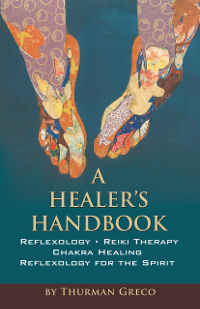
Thank you to Sangi van den Nouweland for contributing the cover art on “A Healer’s Handbook.”
The information about the Fountain of Youth came from the Fountain of Youth Archeological Park in Saint Augustine, Florida.
Thurman Greco
TT
Juice Cleanse Tips
- Begin your cleanse by spending a few days eating fresh fruit, salads, sprouts, nuts, and seeds and avoid all processed foods. Maintain a raw food diet for about three days before you actually focus on the juice part of the cleanse.
- Make sure the water you drink is the cleanest you can find. A big decision here is whether you prefer ultrapurified water or spring water. This choice is a personal one. I’m happy with either one. When I’m doing a cleanse, I prefer ultrapurified water. When I am at home and just drinking water on a daily basis, I prefer spring water. I like spring water because I live in the Hudson Valley of New York State where I have access to superior water. I know what spring the water comes from, even. In some cases I’ve actually visited a spring and personally seen it. I never drink water shipped in from another continent, country, state, or even another part of New York State. That being said, I would probably make different decisions about the water I drink if I lived in another part of the country. Certainly, if I lived in a foreign country, I would do different things.
- When having a cleanse, be sure to rest several times during the day. Include some guided meditations that you’ve chosen especially for this cleanse occasion.
- Set aside time for reflexology sessions and chakra healing sessions. Begin each day with a Reiki therapy session if you can.
- End your cleanse by eating easy-to-digest water, plump fruits and leafy green salads. Avoid processed foods for as long as you possibly can. This is crucial to the success of a cleanse.
Reflexologists, now is a good time of the year to conduct a cleanse as a group with several of your fellow practitioners and client partners. Include a nutritionist in the group to help supervise the cleanse.
ENJOY!
Thanks for reading this blog post.
Please refer this article to your preferred social media network.
This book can be purchased through Amazon or through my website. Enjoy!
Thurman Greco
Cleanse Your Way to Health

Improving your health means doing lots of different things over time to feel, think, look, and act better. Cleanses are popular change-of-season ways to offload toxins collected in the body over the past weeks and months. They work well in conjunction with reflexology sessions which offer a mild cleanse as well.
Water is one of the best cleanses out there. A one-day water cleanse is easy, fast, cheap, and effective.
Begin your cleanse day with a large glass of water. Add a slice of lemon if you want. Then, throughout the day, drink a glass of water. You want to drink at least one large glass of clean water every half hour.
But, of course, the cleanse doesn’t have to be water. Raw, organic, juices of all kinds make good cleanses. A juice cleanse is best if the foods used are organic, fresh, cold pressed, and raw. When the juice meets these qualifications, the most nutrition is available.
Avoid processed, pasteurized, juices if you possibly can and try not to use anything with a shelf life of over two days.
One of the easiest, fastest, cheapest, most effective ways to improve your general health is with cleanses. In my book “A Healer’s Handbook” I write about intestinal, liver, and lymphatic cleanses. But, there are other cleanses out there.
A reflexology session offers a cleanse. Your regular clients receive a mild cleanse regularly as part of their visit.
When you offer reflexology to client partners who are cleansing, please focus on the intestinal tract, the lymphatic system, and focus on the liver.
Remind them of this bonus as you offer them a drink of water at the end of the session.
Please refer this article to your preferred social media network.
Thurman Greco
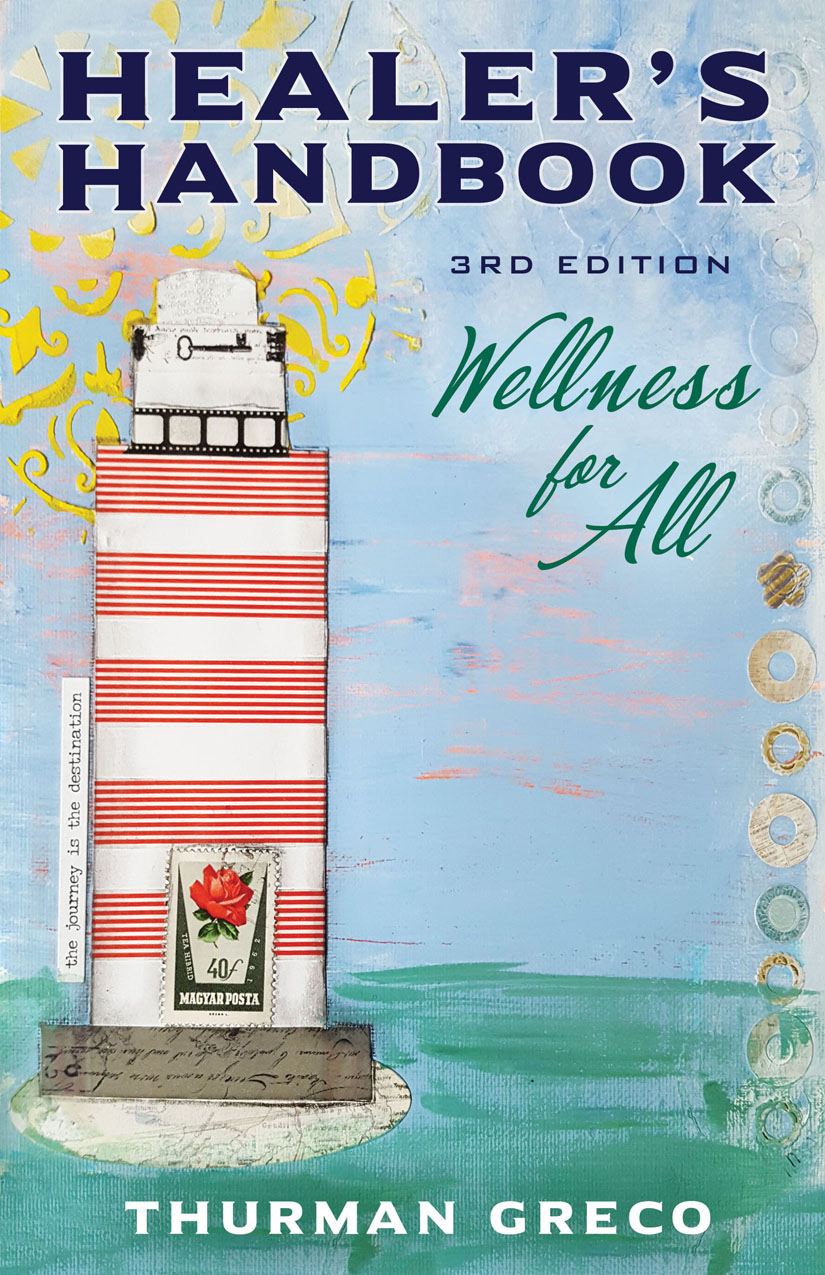
“A Healer’s Handbook” is available on Amazon, Nook, and http://www.thurmangreco.com
Make Time for Yourself, Reflexologists!

One of the really nice things about being a Reflexologist is that 25 sessions per week is considered to be a full time career.
Even with less than a full time client-partner load, it’s easy to lose sight of yourself and your personal needs as you look after your client partners and their needs.
You can prevent this from happening if you pamper yourself regularly and make sure your own needs for time and space are met.
A reflexologist who protects a bit of personal time and space is a much better healer to his/her client partners. Your life is just as important as those of your client-partners, family, friends. Actually, an argument can be made that you are most important because all these people depend on you.
We all enter the healing arts wanting to be the best practitioner we can be. Taking time for yourself is part of that mix. Don’t feel guilty about this. You need rejuvenation and energizing as much as other practitioners, and at least as much as your client-partners.
Begin by claiming one of those 25 weekly sessions for yourself. Make a weekly appointment with another practitioner and receive a session. This might be a good opportunity to get to know other practitioners by visiting a different professional every week.
Throughout the week, there are other things you can do to maintain your rejuvenation and energy.
- Script a healing journal.
- Pamper yourself with relaxing baths. Use candles, salts, essential oils.
- Read a book.
- Take a few moments to enjoy a cool fruit smoothie and a magazine.
- Exercise regularly.
- Pursue a hobby.
- Get yourself out in nature to enjoy the sounds, sights, textures, and smells without technology.
Finally, don’t take everything on your own shoulders all the time.
Thanks for reading this blog.
Please refer this article to your preferred social media network.
My book “A Healer’s Handbook” is now available through Amazon or my website http://www.thurmangreco.com.
Thanks, Thurman Greco
Sustenance! What is that?
Vitamins and minerals are important to prevent disease and retard aging.
Many, many books have been written about which vitamins and minerals we should all be taking. An early draft of my book “A Healer’s Handbook” had much information included in the chapters. I was uncomfortable with the information and removed it. It took months/years to assemble the information and get it in the manuscript. It took only a few minutes to delete it. I’ve never regretted that move.
Years later, the book is now out…without the information. I’m still happy with that decision.
That being said, I’m now going to share information about some nutritional supplements with you. This information is based on my own research, what I’ve learned over many years. I’m offering my professional opinion here. You may not, probably will not, agree with any or all I present. That’s okay. The whole subject is very controversial.
The controversy is based on differing opinions between science-based and belief-based groups. These 2 groups of people see supplements in different ways. Belief based people see supplements as natural products which:
promote health
overcome dietary deficiencies
are preferable to FDA products.
Science-based groups see supplements as being:
of questionable value
and of questionable safety.
I could continue on about this conflict for another 10,000 words…but I’m not.
There are many, many supplements out there. The questions to ask yourself are 2:
Which of these products should I take and how often?
I recommend that, whatever you choose, make sure the products come from reputable companies whose products are routinely tested by independent laboratories for purity. You want to be able to purchase a vitamin, mineral, or other supplement, composed of chemicals which are listed on the label.
You want your supplements to be manufactured by companies which have independent laboratories buy their vitamins or supplements off the shelf, test them in their own facilities, and publish the results.
There are many, many books out there recommending vitamins, minerals, etc. The authors of these books will list the products and then tell you how much and when to take them. I won’t duplicate this information. What I’m doing is telling you what I use, and why I use it. Nobody is paying me to recommend these products to you. I’m not selling them, either.
These are simply the best products I can find.
The first product is one that I feel virtually everyone should be taking.
Wiley’s Finest Wild Alaskan Fish Oil is an Omega-3 Oil. It’s processed from Alaskan Pollack grown in a well managed fishery. The fish is turned into oil and purified, then bottled and shipped out. This Omega 3 Oil is 100% American made.
If you can’t find Wiley’s Finest Wild Alaskan Fish Oil in a store near you, contact Village Apothecary, Woodstock, NY, 12498 and they’ll ship it to you.
I’m really sold on Omega 3 oils. If you are only going to take one thing…make it Wiley’s Finest Wild Alaskan Fish Oil.
Everyone recommends multivitamins. A multivitamin is a basic in our culture now. Like all the other health care professionals, nutritionists, etc. I recommend that we all, at least, take multivitamins.
I take multivitamins every day with lunch.
The multivitamin I take is manufactured in Boulder, Colorado by Nutriplex, a woman-owned, organic company. All Nutriplex products offer whole food nutrition with superior quality and nutritional standards. All Nutriplex products are formulated from evidence-based research.
The name of the Nutriplex multivitamin is Whole Food.
I take 3 Nutriplex products daily:
BFood
Whole Food
Promin.
Whole Food is the multivitamin that everyone recommends. .
BFood is a formula offering B-vitamin nutrition.
I take other nutritional products as well, but these are the basic ones I take. I rely on these products to do the job they need to do.
I hope you feel the same way about the supplements you take.
Thanks for reading this blog.
Please refer this article to your preferred social media network.
My book “A Healer’s Handbook” can be found on Amazon.
Thurman Greco
Sleep for a Healthy Lifestyle

As a reflexology practitioner, it’s important that you stay as healthy as possible. When you take care of your body, you inspire your client partners to take care of theirs.
Many conditions lurk unnoticed for years to develop in the body before they are recognized for what they are: diseases that, in the early stages, are seen as fatigue, headaches, insomnia.
But, whatever these conditions are called, they are actually ongoing health issues that no one has solved. Often, we just ignore these problems.
“I just need to learn to live with this……” is a remark I hear often. The problem is common, persistent, chronic.
Now is the time to see these issues for what they are and take steps to deal with them before they become full blown, serious, illnesses. Look at yourself:
Do you look healthy?
Do you feel healthy?
Do you have enough energy for all the things you want to do each day?
Do you sleep well?
Do you have digestive issues?
Do you feel toxic?
Make 2017 the year you turn your life around.
Begin by learning to get enough sleep.
The first step in a healthy sleep is having a healthy sleeping environment.
Do you or your sleep partner snore? This can rob you of hours and hours of sleep, necessary to good health. People don’t realize it but snoring can be a symptom of sleep apnea, a serious medical condition which contributes to Alzheimer’s. So, today, begin to address the snoring.
Snoring is not always expensive to treat. So, make your first step to a healthy year, a trip to a physician to address any and all snoring and sleep issues.
The second thing to do is declutter the sleep space. Move the home office into another room. Move the TV out. The bedroom is for sleeping and sex. Everything else goes in another part of your home or apartment.
About an hour before you are ready to go to bed, begin to calm yourself down. Prepare your body to sleep.
Taking sleeping pills is not the answer.
Instead, don’t watch television or play video games immediately before sleep. Attend fewer evening meetings.
Is your bed comfortable? Do you have enough blankets? How about the pillows?
What is your most comfortable sleep position? Do you sleep better on your stomach or are you a sleeper who prefers to be face up? Do your bed, bedding, and pillows encourage a healthy sleep every night?
Finally, schedule sufficient hours to sleep. You need at least eight hours of sleep in order to get the optimum energy and rejuvenation out of your body the next day.
One thing you can do to improve your sleep situation is to receive a reflexology session weekly. People universally claim that regular reflexology encourages better sleep. So, while you are offering reflexology sessions to your client partners to encourage their improved sleep, schedule reflexology sessions for yourself. At least, that way, you’ll know exactly how wonderful a reflexology encouraged sleep really feels.
Make it a habit to offer self-reiki therapy to encourage sleep. Teach reiki therapy to your client partners so they can give themselves sessions as they go to bed at night.
One of the secrets to a healthy body is sufficient sleep on a continued basis. Share this secret with your client partners!
Thanks for reading this article!
Share this post with your favorite social media network.
Get your copy of “A Healer’s Handbook” today!
Thanks!
Thurman Greco
8 Ways to Get a Good Night’s Sleep
I estimate that one third of your client partners have problems sleeping. Many of them have just given up on getting a good night’s sleep. This is not a good thing because there are many things that a person can do to sleep well…every night, not just once in awhile.
A person who gets enough sleep looks and acts healthier because there is more energy available to do the things to get through the day successfully. So, here are some suggestions that have proven to be successful. Try them. Share them.
- Receive a reflexology session every week. People who get reflexology regularly tell me they sleep better. This is important for practitioners, too. I receive a session weekly. It’s one of the most important things I do in life.
- Reiki sessions are wonderful for sleep. Do you teach Reiki? Attune your clients to be reiki practitioners so they can give themselves sessions every night when they go to bed. Sleep is sure to follow. A well intentioned Reiki therapy session is better than a sleeping pill.
- Have a regular sleep schedule so that you go to bed every night at the same time. Schedule your evenings so that you plan on sleeping 7-8 hours every night.
- An hour before going to bed, turn off loud music, scary TV shows, and consciously wind down.
- Do you have a lot of things to do tomorrow? Before you go to bed, make out a list of all the things you have to do tomorrow. Then, put that list in another room and forget about it until tomorrow.
- Make your bedroom a sanctuary for sleep. This means moving all the clutter and junk to another part of the house. That includes the TV and anything else that is a sleep distraction.
- Take a look at your bedding. When was the last time you bought pillows, sheets, blankets? Does your mattress sag in the middle? Are you sleeping in worn out sweat pants with holes? It’s time to focus on sleep-inducing comfort.
- Get a pen and journal notebook. Early in the evening, every evening, spend a few moments writing about one thing that you feel thankful for.
Thanks for reading this blog post. I will be offering more sleep tips throughout the coming year.
The book “A Healer’s Handbook is available as an ebook on Amazon an d Nook. The paper version is available on my website: thurmangreco.com. So far, the response to the book is very positive.
Thanks again.
Thurman Greco