Forgiveness
In 1513 Juan Ponce de Leon went exploring for the fountain of youth in what is now Florida. He found it and it exists. A branch of it is probably at a fitness center in your community. I found one in my community. It’s called the Fitness Connection and is on Albany Avenue in Kingston, New York.
There is a branch of the Fountain of Youth within reach of you. Can you name one? Do you use one? Regularly?
Being tuned into the Fountain of Youth is important. Don’t ever mistake this. But, it’s also important to be healed. The quality of your life will be much better when you can forgive those who injured you in some way. Forgiveness opens the door to healing.
Without forgiveness, we go through our daily life carrying anger, blame, fear, guilt, hurt, regret, resentment, revenge, sadness.
Getting rid of negative baggage can change your life for the better.
Begin to release this negative baggage by listing the people in your life who you need to forgive. Include yourself in this list if you blame your self for things as well. (Don’t we all?)
Now, spend some time each day forgiving those who need forgiveness. You are forgiving people for yourself…nothing more. You know that when you offer forgiveness, miracles can occur.
Don’t worry about the person anymore. You are releasing this person’s energy into the universe. You are releasing this person’s karmic connection to yourself. You are cutting the cords which have been binding you together.
Healing you never expected will take place.
How does forgiveness happen? How can you make this work for you?
Sit for a few minutes in a quiet place and offer forgiveness to each person individually:
“I offer forgiveness to ………………………….. I forgive you for …………………………………..
Now, I am free and you are free, too. I release you to your divine plan of life. Everything between us is cleared up, now and forever.”
When you have forgiven everyone you can remember, go into your past lives and offer forgiveness to those who need it:
“I offer forgiveness to everyone in my past life who has damaged me in some way. I forgive everyone for whatever he/she did. Now, I am free and you are free, too. I release you now. Everything between us is cleared up, now and forever.”
These forgiveness meditations may take more than a day. Actually, they may take several weeks or even months. Don’t worry about this. Take whatever time is necessary. Forgive a person or few persons each day when you have a few moments.
As you do this, notice how you feel when this happens. Notice how much better you feel with each meditation. Notice how much better you look. Notice how much younger you act. Notice how much excess weight you are losing.
You may not observe any changes immediately. However, you will begin to see yourself, your environment, and your world improved, healed, more beautiful.
As you forgive people and release them to their divine plans…
You will feel better.
Your vocabulary will change.
Your thoughts will be positive.
You will feel free.
You will feel light.
Replace the negativity with love.
Bring love alive in your life.
Eat, sleep, and breathe love.
ENJOY!
Thank you for reading this article. Please share this blog post with your favorite social media network.
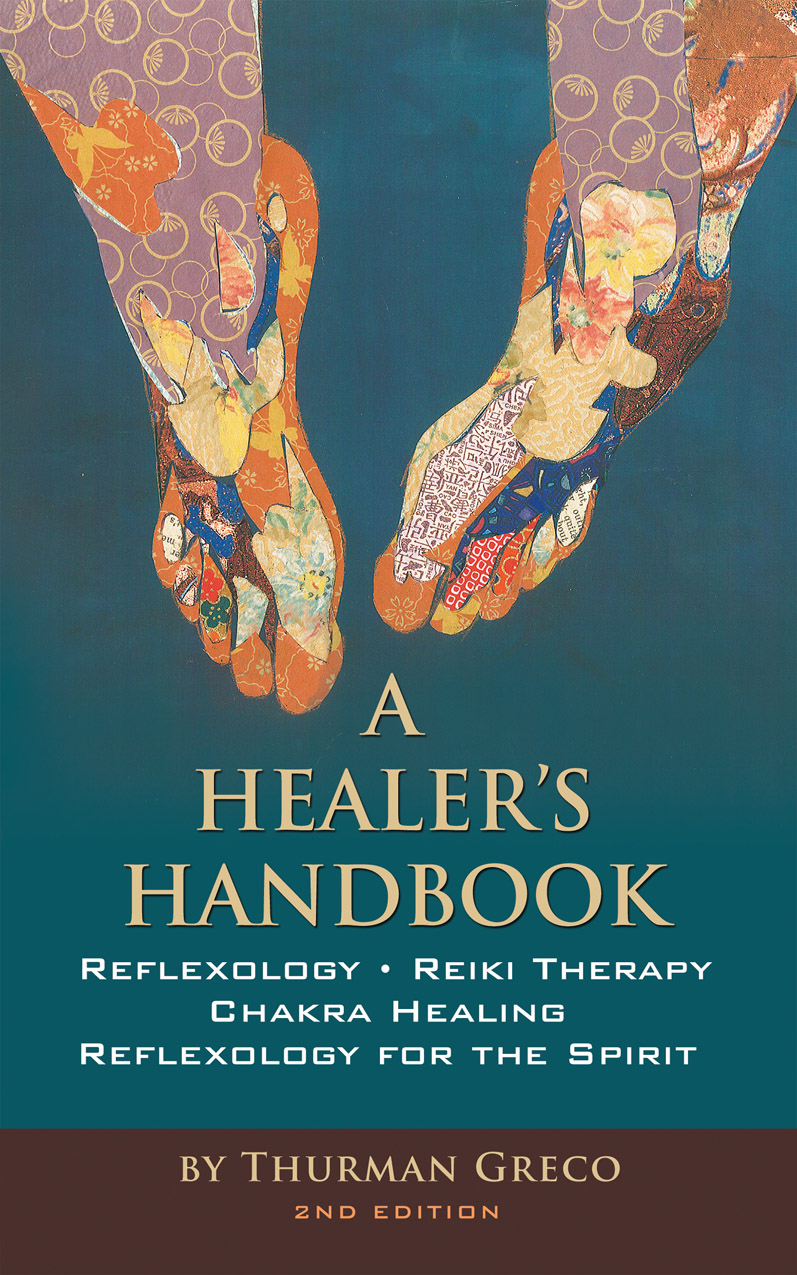
Spread the word about “A Healer’s Handbook”! Thank you to everyone who has purchased this book. Thank you to everyone who will purchase this book in the future.
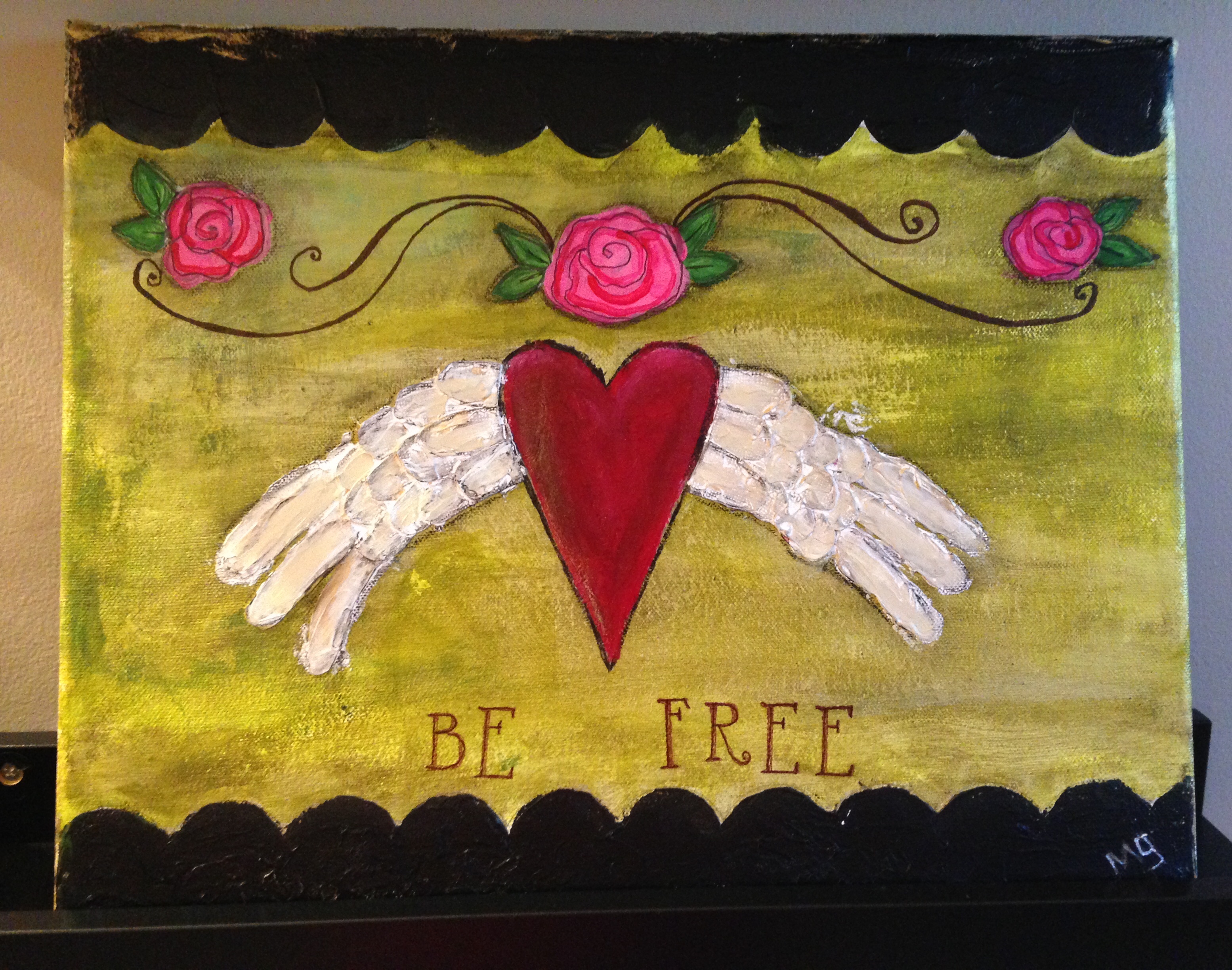
Thank you to Michele Garner for contributing her heart art at the top of this blog.
Thank you to Sangi van den Nouweland for contributing the cover art on “A Healer’s Handbook.”
The information about the Fountain of Youth came from the Fountain of Youth Archeological Park in Saint Augustine, Florida.
Thurman Greco
TT
Juice Cleanse Tips
- Begin your cleanse by spending a few days eating fresh fruit, salads, sprouts, nuts, and seeds and avoid all processed foods. Maintain a raw food diet for about three days before you actually focus on the juice part of the cleanse.
- Make sure the water you drink is the cleanest you can find. A big decision here is whether you prefer ultrapurified water or spring water. This choice is a personal one. I’m happy with either one. When I’m doing a cleanse, I prefer ultrapurified water. When I am at home and just drinking water on a daily basis, I prefer spring water. I like spring water because I live in the Hudson Valley of New York State where I have access to superior water. I know what spring the water comes from, even. In some cases I’ve actually visited a spring and personally seen it. I never drink water shipped in from another continent, country, state, or even another part of New York State. That being said, I would probably make different decisions about the water I drink if I lived in another part of the country. Certainly, if I lived in a foreign country, I would do different things.
- When having a cleanse, be sure to rest several times during the day. Include some guided meditations that you’ve chosen especially for this cleanse occasion.
- Set aside time for reflexology sessions and chakra healing sessions. Begin each day with a Reiki therapy session if you can.
- End your cleanse by eating easy-to-digest water, plump fruits and leafy green salads. Avoid processed foods for as long as you possibly can. This is crucial to the success of a cleanse.
Reflexologists, now is a good time of the year to conduct a cleanse as a group with several of your fellow practitioners and client partners. Include a nutritionist in the group to help supervise the cleanse.
ENJOY!
Thanks for reading this blog post.
Please refer this article to your preferred social media network.
This book can be purchased through Amazon or through my website. Enjoy!
Thurman Greco
Cleanse Your Way to Health
Improving your health means doing lots of different things over time to feel, think, look, and act better. Cleanses are popular change-of-season ways to offload toxins collected in the body over the past weeks and months. They work well in conjunction with reflexology sessions which offer a mild cleanse as well.
Water is one of the best cleanses out there. A one-day water cleanse is easy, fast, cheap, and effective.
Begin your cleanse day with a large glass of water. Add a slice of lemon if you want. Then, throughout the day, drink a glass of water. You want to drink at least one large glass of clean water every half hour.
But, of course, the cleanse doesn’t have to be water. Raw, organic, juices of all kinds make good cleanses. A juice cleanse is best if the foods used are organic, fresh, cold pressed, and raw. When the juice meets these qualifications, the most nutrition is available.
Avoid processed, pasteurized, juices if you possibly can and try not to use anything with a shelf life of over two days.
One of the easiest, fastest, cheapest, most effective ways to improve your general health is with cleanses. In my book “A Healer’s Handbook” I write about intestinal, liver, and lymphatic cleanses. But, there are other cleanses out there.
A reflexology session offers a cleanse. Your regular clients receive a mild cleanse regularly as part of their visit.
When you offer reflexology to client partners who are cleansing, please focus on the intestinal tract, the lymphatic system, and focus on the liver.
Remind them of this bonus as you offer them a drink of water at the end of the session.
Please refer this article to your preferred social media network.
Thurman Greco
“A Healer’s Handbook” is available on Amazon, Nook, and http://www.thurmangreco.com
Make Time for Yourself, Reflexologists!
One of the really nice things about being a Reflexologist is that 25 sessions per week is considered to be a full time career.
Even with less than a full time client-partner load, it’s easy to lose sight of yourself and your personal needs as you look after your client partners and their needs.
You can prevent this from happening if you pamper yourself regularly and make sure your own needs for time and space are met.
A reflexologist who protects a bit of personal time and space is a much better healer to his/her client partners. Your life is just as important as those of your client-partners, family, friends. Actually, an argument can be made that you are most important because all these people depend on you.
We all enter the healing arts wanting to be the best practitioner we can be. Taking time for yourself is part of that mix. Don’t feel guilty about this. You need rejuvenation and energizing as much as other practitioners, and at least as much as your client-partners.
Begin by claiming one of those 25 weekly sessions for yourself. Make a weekly appointment with another practitioner and receive a session. This might be a good opportunity to get to know other practitioners by visiting a different professional every week.
Throughout the week, there are other things you can do to maintain your rejuvenation and energy.
- Script a healing journal.
- Pamper yourself with relaxing baths. Use candles, salts, essential oils.
- Read a book.
- Take a few moments to enjoy a cool fruit smoothie and a magazine.
- Exercise regularly.
- Pursue a hobby.
- Get yourself out in nature to enjoy the sounds, sights, textures, and smells without technology.
Finally, don’t take everything on your own shoulders all the time.
Thanks for reading this blog.
Please refer this article to your preferred social media network.
My book “A Healer’s Handbook” is now available through Amazon or my website http://www.thurmangreco.com.
Thanks, Thurman Greco
Sleep for a Healthy Lifestyle

As a reflexology practitioner, it’s important that you stay as healthy as possible. When you take care of your body, you inspire your client partners to take care of theirs.
Many conditions lurk unnoticed for years to develop in the body before they are recognized for what they are: diseases that, in the early stages, are seen as fatigue, headaches, insomnia.
But, whatever these conditions are called, they are actually ongoing health issues that no one has solved. Often, we just ignore these problems.
“I just need to learn to live with this……” is a remark I hear often. The problem is common, persistent, chronic.
Now is the time to see these issues for what they are and take steps to deal with them before they become full blown, serious, illnesses. Look at yourself:
Do you look healthy?
Do you feel healthy?
Do you have enough energy for all the things you want to do each day?
Do you sleep well?
Do you have digestive issues?
Do you feel toxic?
Make 2017 the year you turn your life around.
Begin by learning to get enough sleep.
The first step in a healthy sleep is having a healthy sleeping environment.
Do you or your sleep partner snore? This can rob you of hours and hours of sleep, necessary to good health. People don’t realize it but snoring can be a symptom of sleep apnea, a serious medical condition which contributes to Alzheimer’s. So, today, begin to address the snoring.
Snoring is not always expensive to treat. So, make your first step to a healthy year, a trip to a physician to address any and all snoring and sleep issues.
The second thing to do is declutter the sleep space. Move the home office into another room. Move the TV out. The bedroom is for sleeping and sex. Everything else goes in another part of your home or apartment.
About an hour before you are ready to go to bed, begin to calm yourself down. Prepare your body to sleep.
Taking sleeping pills is not the answer.
Instead, don’t watch television or play video games immediately before sleep. Attend fewer evening meetings.
Is your bed comfortable? Do you have enough blankets? How about the pillows?
What is your most comfortable sleep position? Do you sleep better on your stomach or are you a sleeper who prefers to be face up? Do your bed, bedding, and pillows encourage a healthy sleep every night?
Finally, schedule sufficient hours to sleep. You need at least eight hours of sleep in order to get the optimum energy and rejuvenation out of your body the next day.
One thing you can do to improve your sleep situation is to receive a reflexology session weekly. People universally claim that regular reflexology encourages better sleep. So, while you are offering reflexology sessions to your client partners to encourage their improved sleep, schedule reflexology sessions for yourself. At least, that way, you’ll know exactly how wonderful a reflexology encouraged sleep really feels.
Make it a habit to offer self-reiki therapy to encourage sleep. Teach reiki therapy to your client partners so they can give themselves sessions as they go to bed at night.
One of the secrets to a healthy body is sufficient sleep on a continued basis. Share this secret with your client partners!
Thanks for reading this article!
Share this post with your favorite social media network.
Get your copy of “A Healer’s Handbook” today!
Thanks!
Thurman Greco
Oil. Oil. And More Oil!

The next time you need to purchase olive oil, read the labels on the bottles, jars, and cans. Don’t just grab the container that’s on sale or the one on the end cap or the one with the prettiest label.
I recently did a study on olive oils. I wanted this information for myself and to share with my client partners and you, my readers. Boy, did my eyes get opened WIDE!
Most olive oils on grocery store shelves are imported. The names on the labels evoke history, romance, travel to exotic places. Stand in front of the olive oil display for a couple of minutes and your brain may even wander to skin, water and summer moons:
Bertolli
Pompeiian
San Leandro
Filippo Berio
Taste Inspirations
Nature’s Place
DeCecco
Buonaturae
Spectrum
Olivari
Botticelli
l could go on and on. The least inspiring labels were Rachel Ray, Spectrum, and Hannaford’s.
When you finish reading those labels, you’re going to probably be thinking more about travel than anything else. Imported olive oils are mostly a blend of oils from many different countries:
Argentina
Australia
Chile
Egypt
Greece
Italy
Morocco
Spain
Tunisia
Turkey
Uruguay
U.S.
The average label listed 5 countries for the oil of origin. When an olive oil company blends so many oils from so many places, I feel that things get confusing. How can there be controls, health guidelines on a product coming from countries all over the world? And, truth be known, there are no controls on imported olive oil. The blend may not even be olive oil.
Oliveri oil comes from Italy, Greece, Spain, Turkey, Tunisia, and Morocco.
Pompeiian oil claims to have oil in its bottles from Italy, Greece, Spain, Argentina, Tunisia, Turkey, Morocco, Chile, U.S., and Egypt.
The only olive oil I buy and trust is organic American Extra Virgin Olive Oil. Olive oil is a food which can be therapeutic. If I’m eating something partially because of its therapeutic qualities, I want to know that I’m getting what I pay for. And, let’s face it, olive oil is not cheap. I want it to be organic and I want it to be EVOO and I want it to be what the label says it is.
When I read the labels, I discovered that most of the companies with these romantic sounding names claimed to use oils from most every country. There were some exceptions:
Pompeiian produces several different olive oils. One is American and 1 is Portuguese.
Carapelli, DeCecco, and Buonaturae sell pure Italian olive oils.
Taste of Inspirations has an oil from Italy and an oil from Greece.
San Leandro’s oil comes from Spain.
As far as my research leads me, the only Sicilian olive oil comes from Trader Joe’s.
The principal oil used in my kitchen is organic American Extra Virgin Olive Oil because medical experts believe that it is a good food to help prevent several diseases which I’m not interested in dealing with:
cancer
heart disease
high blood pressure
osteoporosis
rheumatoid arthritis.
There’s a method to this. In order for your EVOO to be therapeutic, you need to use an EVOO regularly enough to consume about 2 large spoonfuls daily. This means you’re going to cut out some less desirable oils. An easy way to do this is to substitute olive oil for margarine, butter, peanut oil.
Olive oil is a monounsaturated fat – a healthy dietary fat.
You may not even know it but your EVOO is a heavyweight in your kitchen. It’s important on your reflexology table too. When your client partner voices dietary health concerns, this is your opportunity to share the health benefit information. One of the easiest ways to begin to eat healthy is to rely on American organic extra virgin olive oil.
ENJOY!
Thanks for reading this blog/book.
Please refer this article to your preferred social media network.
Don’t forget to join the email list.
Thurman Greco
8 Ways to Get a Good Night’s Sleep
I estimate that one third of your client partners have problems sleeping. Many of them have just given up on getting a good night’s sleep. This is not a good thing because there are many things that a person can do to sleep well…every night, not just once in awhile.
A person who gets enough sleep looks and acts healthier because there is more energy available to do the things to get through the day successfully. So, here are some suggestions that have proven to be successful. Try them. Share them.
- Receive a reflexology session every week. People who get reflexology regularly tell me they sleep better. This is important for practitioners, too. I receive a session weekly. It’s one of the most important things I do in life.
- Reiki sessions are wonderful for sleep. Do you teach Reiki? Attune your clients to be reiki practitioners so they can give themselves sessions every night when they go to bed. Sleep is sure to follow. A well intentioned Reiki therapy session is better than a sleeping pill.
- Have a regular sleep schedule so that you go to bed every night at the same time. Schedule your evenings so that you plan on sleeping 7-8 hours every night.
- An hour before going to bed, turn off loud music, scary TV shows, and consciously wind down.
- Do you have a lot of things to do tomorrow? Before you go to bed, make out a list of all the things you have to do tomorrow. Then, put that list in another room and forget about it until tomorrow.
- Make your bedroom a sanctuary for sleep. This means moving all the clutter and junk to another part of the house. That includes the TV and anything else that is a sleep distraction.
- Take a look at your bedding. When was the last time you bought pillows, sheets, blankets? Does your mattress sag in the middle? Are you sleeping in worn out sweat pants with holes? It’s time to focus on sleep-inducing comfort.
- Get a pen and journal notebook. Early in the evening, every evening, spend a few moments writing about one thing that you feel thankful for.
Thanks for reading this blog post. I will be offering more sleep tips throughout the coming year.
The book “A Healer’s Handbook is available as an ebook on Amazon an d Nook. The paper version is available on my website: thurmangreco.com. So far, the response to the book is very positive.
Thanks again.
Thurman Greco
9 Things Reflexologists Don’t Do – and 5 Things we Do

Cure – Reflexologists do not cure. Instead, we promote healing, which can be a very
different thing, depending on the issue.
Patient – Reflexologists do not have patients. Physicians have patients. We have client partners. Some reflexologists have clients. But, whatever we have, we don’t have patients.
Recommend – We do not recommend. Instead, we work feet. We concentrate our energies on facilitating healing.
Advise – Reflexologists do not advise. We support our client partners in their healing path. Our work brings about homeostasis and synchronicity.
Examine – We do not examine. We read feet or hands or ears. .We notice where our findings are located. We work the feet, hands, ears, to bring about healing, homeostasis, and synchronicity.
Prescribe – We do not prescribe. That’s for physicians and other medical professionals. We rely on our hands and hearts to tell us what we find, to encourage healing, to facilitate homeostasis, to see synchronicity.
Dispense – We have nothing to dispense beyond the sessions we offer.
Diagnose – We do not diagnose. Physicians assist us in our healing efforts when they offer a diagnosis. This is important because it’s much easier to overcome a health issue if it has a name.
Administer – We do not administer anything. Instead, we read feet, offer sessions. Our noninvasive sessions have been offered to client partners for ages and ages.
Reflexology for the Spirit practitioners use our hands, brains, and hearts.
We do not need to over schedule our days to be successful. Twenty-five appointments a week is a full time practice for a Reflexology for the Spirit practitioner.
We are not wedded to advertising. Some of us don’t even have business cards. Referrals work well for us.
Because Reflexology for the Spirit works well with other modalities, many of us also practice yoga, massage, Reiki therapy, flower remedies. That means we are always growing, learning.
We honor our heritage. Reflexology for the Spirit practitioners take our traditions back many, many years:
Our history takes us far back in time with beginnings shrouded in mystery. What we do know is that early references to reflexology can be found in China, India, Japan, Egypt, Greece, North Africa, the Arabian Peninsula, the Mediterranean, South American and North America.
Historians tell us that Egyptians practiced both hand and food reflexology as early as 2500 BC. If you ever travel to Egypt, please visit the burial ground at Saqqara. The Physician’s Tomb there has a famous wall painting showing two people receiving reflexology.
If you ever find yourself in Japan, be sure to visit the Medicine Teacher Temple in Nara. There you’ll find a stone carving depicting the soles of Buddha’s feet in a carving dating to 790 AD.
In India, there are paintings of Vishnu, the Hindu god’s feet with symbols corresponding to several reflexology points.
Ayurveda is an ancient Indian form of medicine becoming popular in our country. Reflexology is incorporated in Ayurvedic medicine.
Reflexology has been recorded in ancient Chinese writings describing pressure being applied to fingers and thumbs.
From this glorious history and recent twentieth century trailblazers, we now have thousands of people practicing various kinds of reflexology throughout the world.
Reflexologists the world over work in tandem with physicians as our field moves toward integrative medicine in the twenty-first century. Integrative medicine works to heal the total person: the physical, mental, emotional, spiritual.
Reflexology has endured the test of time and is modern as tomorrow in the 21st !century.
Thank you for reading this blog. It has been a long time since I’ve posted an article. I have been working full time/overtime on the new book! It’s happening!
Thurman Greco
Woodstock, New York
Progress of the Book

The book is, at last, being edited! Real book progress is being made. I hope to get it to the publisher soon. I plan to go over it one last time about mid July.
Thanks to everyone for your patience.
Please share this exciting news (for me, anyway) with your favorite media network.
Thurman Greco
Woodstock, NY
A Battle Front Reflexology Spa Treatment to Boost your Client Partner’s Good Health

Now is a good time to offer a Reflexology Spa Treatment to boost your client partner’s good health. People everywhere are fighting flu, colds, and other maladies as the body offers a battle for good health. This is also a time when people focus on the immune system because every pharmacy around has generously sized signs announcing flu shots.
For your client partner concerned about fighting viruses and infections, the Battle for Health Reflexology Spa Treatment is not a luxury. It’s more in the necessity category.
Begin your battle plan by selecting the essential oils you’ll use. My preferred essential oils for this Spa Treatment are:
clove
lemon
nutmeg
oregano
peppermint
tangerine
thyme
Your oil selection will guide you to which music to use and what decor to adopt.
My favorite oil in this selection is peppermint. But, since not everyone likes peppermint (or you may prefer another oil), select the oil based on your discussion with your client partner as you book the appointment.
Whichever oil you choose may inspire you to select a specific CD. If not, be guided by the reflex points you’ll be working in this session. You’re going to stimulate your client partner’s body to fight disease so being “battle ready” may be important.
When I offer a Battle for Health Spa Treatment, I’m motivated to offer peppermint oil and have a few peppermint plants in pots in the healing space. You may be motivated to do something completely different. There are no “wrongs” here.
Have your music section playing when your client partner enters your space.
You may want to wash your client partner’s feet as the first step in this session. Warm some moist cloths in the microwave and gently clean your client partner’s feet.
When your client partner is comfortably situated face up on your table or in your reflexology chair, anoint your him/her with the selected oil. Put a few drops of the essential oil in the palms. Have him/her rub the palms together and hold them over the face and take a few deep breaths. Then have your client partner rub the hands over his/her face and head.
Now, seat yourself at your client partner’s head. . Bring in the Reiki and offer three Reiki holds to the head.
Now, move down to your client partner’s feet. When you offer reflexology to the feet, you’ll add some carrier oil to the essential oil and use this blend throughout the session. You may be able to find a commercial lotion in the right blend which you like.
Selecting the first foot, offer five minutes of delicious warm ups. Follow this with five minutes of general reflexology to your client’s foot.
You now have your client partner’s first foot prepared and ready to receive the Spa Session on this foot. In this part of the session, you’ll stimulate the glandular parts of the body as you work the reflex areas listed below. You’ll encourage your client partner to fight disease.
Work the following reflexes for twenty minutes on the first foot. Offer this section in the following order.
1. Work the solar plexus to relax the body and establish a good breathing pattern.
2. Work the spleen reflex to stimulate it to perform its immune functions.
3. Work the liver reflex to filter wastes as it cleans the body of toxins.
4. Work the kidney reflex to stimulate blood cleansing.
5. Work the intestinal reflexes to move toxins out of the body.
6. Work the lymphatic system reflexes to build a defense system against illness
6. Repeat the work on the solar plexus to finish the immune system path.
After spending fifteen minutes working the above listed reflexes, spend five minutes offering general reflexology. Finish the work on the first foot with five more minutes of warm downs.
Now, move to the second foot and repeat the process. This means you’ll offer five minutes of warm ups, five minutes of general reflexology, fifteen minutes working the reflexes in the following pattern:
solar plexus
spleen
liver
kidneys
intestines
lymphatic system
solar plexus
Finally, offer five minutes of general reflexology and then five minutes of warm downs.
When this is completed, offer your client ten minutes of Reiki theraapy on the feet. It is now time to seal the Reiki therapy part of the spa session.
Let your client rest for a moment while you get a bottle of water or a cup of herbal tea for him/her.
Spend a couple of minutes with your client while s/he drinks the water and returns to “now”.
Thanks for reading this blog.
Please refer this article to your preferred social media network.
Don’t forget to join the email list.
Thurman Greco
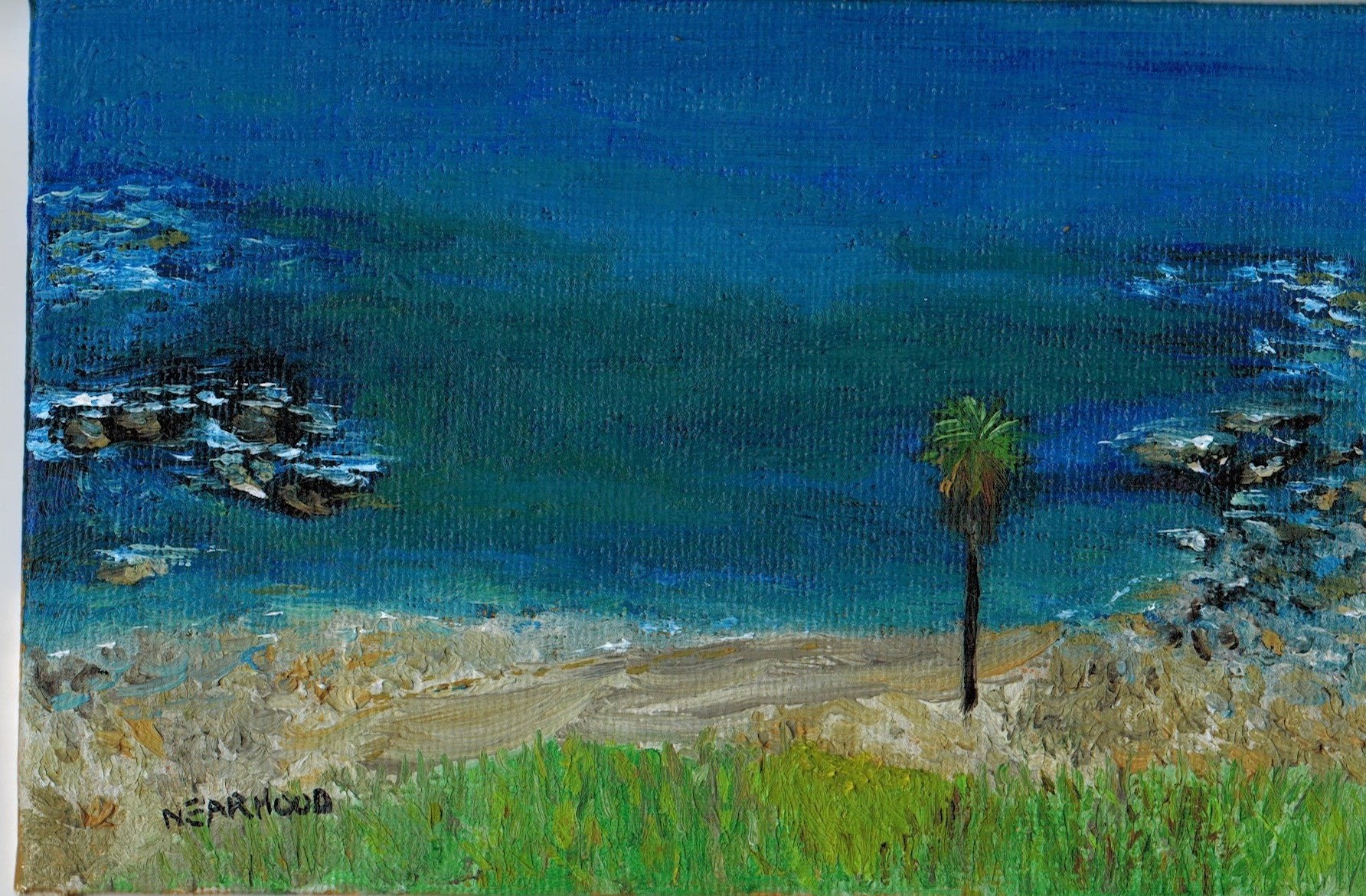
Jennette Nearhood donated the art work for this article.
2.