“Should I Accept Clients Who Smoke?”

What a question!
“Of course. Yes.”
“But, what if they smell of tobacco? I find it very offensive. And, besides, I don’t want my healing space reeking of smoke.”
Well, I stick to my guns here. Cigarette smoking is an addiction. It is a disease. You accept the client and offer assistance, support, guidance as s/he struggles to give up smoking.
Encourage the person to cut down on the number of cigarettes smoked in a day. If you can get him/her to cut back to 5 or fewer cigarettes a day, the final push will be very easy.
When people think of diseases smokers contract, they always come up with the same usual suspects:
lung cancer
throat cancer
COPD
Emphysema.
In reality, the diseases caused are many more and the health damage done is much greater.
Smoking and exposure to second hand smoke is really hard on the immune system. Smoking ages the body faster. This results in
wrinkled skin
clogged arteries
emphysema
cancer
impotence.
The most important reason for not smoking is what it does to the immune system. Smoking wrecks the immune system causing it to become overactive. And, the effects are often easily seen.
It’s not necessary to see a person smoking to know you’re looking at a smoker. It’s also not necessary to smell a smoker either.
The effects of smoking can be seen in the skin, hair, nails, eyes, posture.
The effects of smoking can be heard in the classic smoker’s cough.
You cannot help your client partner stop smoking. What you can do is help with the cravings and other discomfort while they go through the 5-6 week withdrawal process. Reflexology for the Spirit, Reiki therapy, and encouragement can go a long way to support during this time.
Help your client partner become dramatically healthier. Nicotine patches are available. CVS sells a smoking cessation program which helps.
After the 6-week period, you can help your client partner do a cleanse and you can offer support choosing a physical fitness program.
Thanks for reading this blog.
Please refer this article to your preferred social media network.
Don’t forget to join the email list.
Peace and food for all.
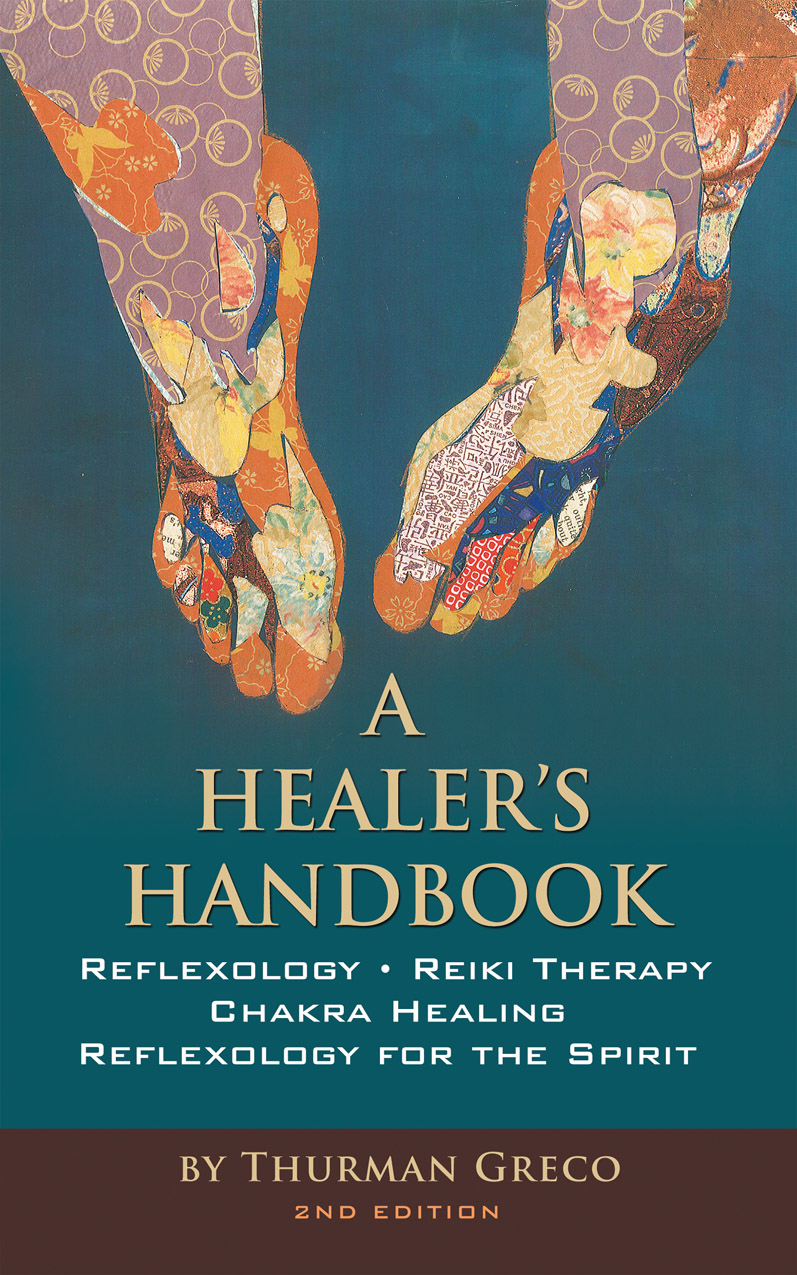
Thurman Greco
Tara Sanders: Healing, Yoga, and Reflexology

healing, yoga, and reflexology
As reflexologists, we add new clients to our practice often. Healing, yoga, and reflexology are important here. Depending on your personality, or your practice, you may ask a few or many questions from them on the intake forms and in the initial interviews.
Trauma is one area of a person’s life which we rarely approach. It is just too hidden, too destructive.
This is wise. Trauma is a subject which our client partners need to bring up when the time is right for them to share. Because nothing is said doesn’t mean that it didn’t happen. It just means that the person isn’t comfortable discussing it.
Because, in reality, 1 woman in 4 has experienced domestic violence and/or sexual assault. Personally, I question the 1-in-4 statistic. No woman reports domestic violence or sexual assault if she can possibly avoid it. Reporting is simply too painful.
When I first spoke with Tara Sanders, a Woodstock based yoga instructor and program director in the nonprofit Exhale to Inhale I was suddenly very alert. I realized that we, as reflexologists, need to be more sensitive to the secrets and hidden traumas of our client partners.
Exhale to Inhale yoga works to empower survivors of domestic violence and sexual assault to heal through yoga. Exhale to Inhale yoga guides women through postures, breathing, meditation. Taught in trauma sensitive style, practitioners are enabled to ground themselves in
their bodies
their strength
their stillness.
As this happens, the women connect to themselves. They work toward empowerment and worthiness. This practice can be transformative for survivors of sexual abuse and domestic violence when they shed the cloak of victimhood.
Healers, reflexologists, and body workers have long known that when a person is traumatized, the event is stored in the muscles.
We also know that reflexology sessions are given a boost when combined with other modalities such as yoga, meditation, breathing, Reiki therapy, and massage.
Tara teaches the classes without music. She does not touch the students to correct a posture. Lights remain on throughout the class. These sessions offer survivors an opportunity to reclaim their lives through the healing and grounding of yoga.
Tara uses the yoga classes to help her students feel safe, strong, in the present moment. As she teaches, she is a conduit for healing and healthful programs in our community. Reflexology for the Spirit practitioners are also conduits for healing as we work the reflex points to encourage homeostasis.
Exhale to Inhale is a New York-based nonprofit offering free weekly yoga classes to survivors of domestic and sexual assault. After June 20, Exhale to Inhale yoga classes will be taught free of charge to women in area shelters in Upstate New York.
Not everyone has a Tara Sanders available in the community. However, it’s possible to suggest reflexology sessions offered in tandem with yoga, meditation, breathing classes. Whether or not you are aware of your client partner’s experience with trauma or domestic violence is not important. What is important is that you invite your client partner to experience this boost to your modality. Think of healing, yoga, and reflexology as a package.
Hopefully one day soon, there will be more Tara Sanders yoga teachers in communities everywhere.
Thank you for reading this blog/book.
Please refer this article to your preferred social media network.
Don’t forget to join the email list.
Jennette Nearhood provided the media.
Thurman Greco
5 Ways to Be Connected

The human immune system is a fast responder. It knows immediately when/if we are having emotional or spiritual problems. And, of course, this response affects our health.
If wellness is important to you…and I think it is because you’re a reflexologist, then one of the best things you can do is pamper your immune system. This works for your client partners also. No one is exempt on this.
This we know: there is a direct correlation between negative emotions, disease, and accelerated aging. Appreciation, sympathy, understanding are important to all of us.
Inner peace is important to being well – being grounded.
One thing in life which promotes inner peace and groundedness is an appreciation for nature and seeing the connection that all living beings share.
There are several ways to promote this connectedness:
WALK IN THE PARK. Actually, a “walk in the park” is the generic term for any activity which gets you positively involved with nature That can include biking, hiking, museum going, or anything else which makes you aware of how connected we all are.
GET A PET. This is a biggie if you can do it. Not everyone lives where pets are allowed. But, if you can…a dog or cat is awesome. Pets offer something which humans seem to be unable to offer: unconditional love.
A pet will:
improve your immune system function,
give you a more positive outlook on life,
lower your blood pressure
love you unconditionally.
What more can you ask for?
KEEP A JOURNAL. For some this can be a challenge. But, this journal is not for anyone but yourself. So, don’t worry about the spelling, punctuation, paragraphs, etc.
The purpose of your journal is to make a note of special moments which sustain you when you’re feeling low. Such moments include:
a cat’s purr
a baby’s smile
a smell of a flower
a compliment
a smile from a stranger
When you record them, you may notice that these special moments occur more often than you thought.
BREATHE. This is a biggie. Breathe in while while mentally repeating a positive phrase such as “I bring positive energy into my life.” Hold your breath for a moment and then exhale as you repeat “I radiate positive energy.” Consciously breathing for a couple of minutes each day can have a profound impact on your life.
Many people go through their whole lives not even thinking about how they breathe or what their breath does for them. Honor your breath.
INCORPORATE SURPRISE. Try to do something unexpected every day. Compliment a total stranger on a haircut or a jacket or something. It doesn’t matter what, really. Just say something complimentary to someone who is totally not expecting anything.
Leave a small token for someone who is not expecting anything…and keep it a secret if you can.
Offer to walk someone’s dog.
Say “Thank you.”
GET INVOLVED. This can mean walking a dog at the local pound or hosting a food drive for your local food pantry. There are many, many groups out there where people are working to make life better for us all. Volunteering is an extremely positive way to go through life.
Thank you for reading this blog/book.
please refer this article to your preferred social media network.
don’t forget to join the email list.
Peace and food for all.
Thurman Greco
Michele Garner donated the artwork for this post.
4 Things You Can Do To Breathe Properly

While it’s true that we don’t come into embodiment with a book of instructions, I wish we did at least show up knowing how to breathe.
Many of us breathe much too shallowly which keeps the body tight. Relaxation is difficult and body functions have a tendency to be stagnant. This makes all the little mundane things we do everyday much harder.
In the ideal situation, a person breathes slowly, deeply, consciously.
When you breathe slowly,
your mind relaxes,
your body purifies,
your energy level increases,
you maintain a sense of well-being.
When you breathe properly, you exercise your intuitive skills. Many people mistakenly believe they are not intuitive when, in fact, they are. The problem is they are breathing so shallowly that their body is too uptight to know when the intuitive sense is working.
If you feel you aren’t breathing properly, take yoga classes. Find a yoga teacher who will admit that s/he can teach proper breathing techniques.
OR
Take some breathing classes from a breath instructor if you can. That’ll only make you a better reflexology practitioner or client-partner.
OR
Singing classes may be an option for you as well.
OR
Set aside 2-3 minutes a day in which you simply breathe mindfully. To do this, begin by sitting comfortable in a quiet, safe place.
Focus on your breathing. It may help to close your eyes here for a couple of minutes.
Find a place on your body where you can actually feel yourself breathing. That may be your nose, your abdomen or your diaphragm.
Now – just pay attention to your own breathing and nothing else. Notice the quality of each breath, how your body moves, how it feels to breathe.
As you do this, you should begin to feel some burdens lifting and some stress melting.
Try doing this exercise daily for several weeks. This may be something you find yourself doing daily over a long period of time. Or, this may be something that eventually becomes a meditative exercise for you.
In the meantime, try to spend a few minutes each day consciously breathing in through your nose and out through your mouth. As you do this, be aware of your abdominal muscles contracting as you inhale. As you exhale through your mouth, feel your abdomen softening, expanding.
Some behaviors indicate poor breathing habits:
yawning a lot during the day
taking a lot of deep breaths,
holding your breath mid-conversation,
poor posture
When this happens, you may not be getting enough carbon dioxide in your blood or not enough oxygen to your brain.
Notice your own breathing each day and observe how your client-partners breathe. Encourage better breathing habits for both you and your client-partners.
Guideline: Breathe slowly, deeply, consciously.
Thank you for reading this blog/book. I hope you will enjoy this next series of posts which make up the wellness part of the textbook.
Please refer this article to your preferred social media network.
Peace and food for all.
Thurman Greco