Reiki for Transition – Reflexology for the Spirit
So, here we are, on the cusp of summer.
Only a few days away from the June equinox, we’re somewhere in transitions we’re all experiencing as we feel our way from the pandemic to the post pandemic reality.
Whether you feel the end of the pandemic is here or whether you feel there never was a pandemic or whether you fear the pandemic will never end:
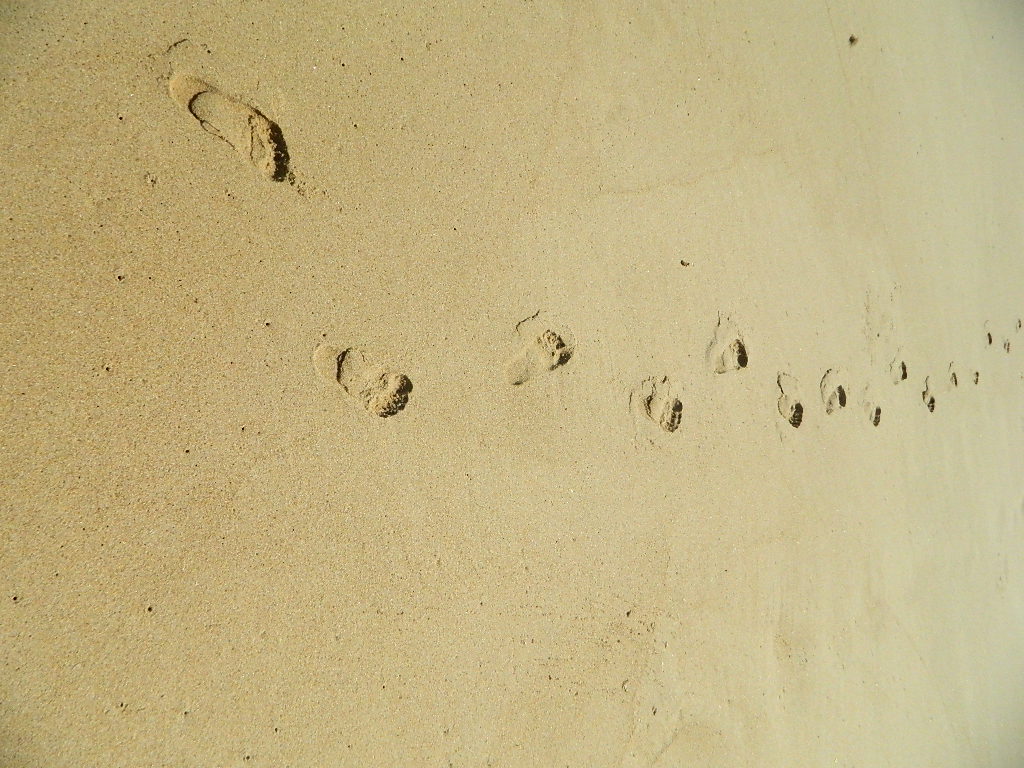
This is a time to feel the earth underneath your feet.
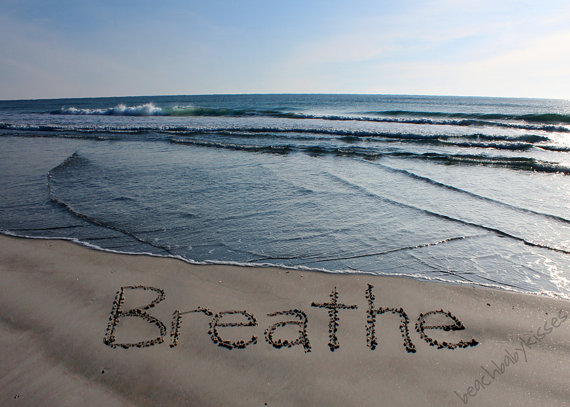
This is a time to take a deep breath.
This is a time to balance your chakras and your body systems.
Now, more than ever before, we all need the homeostasis offered by Reiki. We all need Reiki’s gentle healing. We all need Reiki’s blessings.
Join together now and send Reiki to yourself, to your family members, to your neighbors, to the planet.
Whoever you choose to receive your Reiki, that person, place, or thing will appreciate your generosity and thoughtfulness.
This is a time to send Reiki to all living beings.
Thank you for reading this blog post. Please forward it to your preferred social media network.
Please share it with your friends.
Thank you.
Thurman Greco

Please check out the healing YouTube articles under:
Thurman Greco
Let’s Live with Thurman Greco
Thurman Greco with Reflexology for the Spirit
New sessions are added weekly.
Are you fat, frazzled and exhausted? – Have you thought about your Endocrine system?
I never even thought about my endocrine system until I went to Potomac MyoTherapy Institute. And, even then, I wasn’t sure what it was. It wasn’t until I practiced reflexology and Reiki therapy that I really became involved with how important the endocrine system is.
So I have some questions for you:
Do you sleep poorly?
Do you get colds and other infections easily? Are they hard to kick?
Are you depressed, anxious, or irritable?
Has your sex drive disappeared?
Do you have clawing pains on your legs?
Are you worried about a heart attack?
That’s a lot of questions, but, really, if you are tired, anxious, overweight, or in pain, you may have an issue with your endocrine system.
There are many endocrine systems glands. The three most likely to cause problems are your thyroid, adrenal gland, or reproductive glands.
In many cases these deficiencies can be easily diagnosed and safely treated. After you’ve discovered the issue and corrected it, you can feel like a new person again.
I know I did.
Before my underactive thyroid was discovered, I was a walking zombie.
I went to bed at night exhausted and did not wake up feeling any better the next morning..
I was forgetful and couldn’t focus.
I gained a lot of weight and couldn’t lose not even one ounce.
My muscles ached and I couldn’t lift much.
My skin and hair were dry, dry, dry.
I was cold – always.
And, these were just the problems I had with my thyroid. Even so, I never really appreciated my endocrine system until I struggled with my thyroid.
Fortunately, I stumbled on a physician who saw my situation for what it was and I got the pills. And, that is not to say there were no problems along the way. I’ve been overmedicted, undermedicated, and not medicated over the years.
Overall, the pills are doing their job. Regular reflexology sessions helped – a lot.
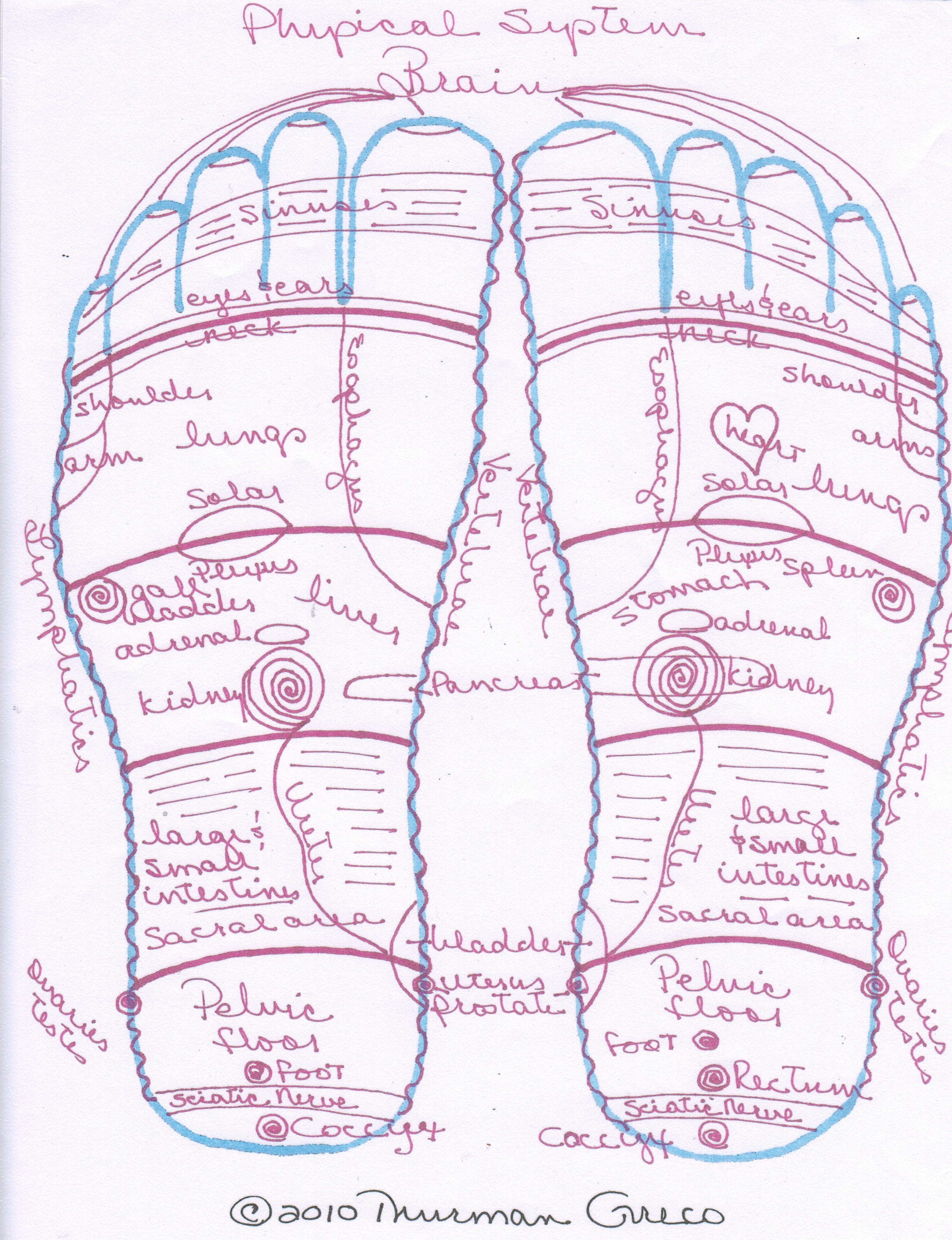
Your endocrine system is much more than your thyroid. Your endocrine system includes glands located throughout the body which normalize how your body works and communicate with your chakra system.
Your endocrine system is the most spiritual system of your body. When a reflexologist focuses a session on the endocrine system, the session can have long lasting, transformational effects.
When one or more of your endocrine system glands is stressed or unbalanced, your whole being knows it. Why? Your endocrine system glands manufacture hormones which control your life. If a gland produces too much or too little of a hormone, your body knows about it. That’s because your glands regulate every other system in your body.
When even one gland doesn’t work, everything is out of balance. Your entire body is bothered. Even your chakras are affected.
That’s my take on it anyway.
And, there are several glands throughout your body – all of which work together. Or not. I used my thyroid as an example.
I’m not suggesting that everyone has an unbalanced thyroid. Other hormone imbalances include adrenals, estrogen and progesterone imbalances, and testosterone.
Do you think you might want to learn more about your endocrine glands? They are interesting. Even their names are interesting: parathyroid, pineal, thymus, pancreas.
Ongoing reflexology and Reiki therapy sessions encourage homeostasis which will work to balance your total body. But, you may need more support than a weekly session.
Have you ever visited an endocrinologist?
I’m always amazed at the number of people who have never made an appointment with an endocrinologist. Actually, most of them never really ever heard about endocrinology.
Your body begins to break down from the effects of an unbalanced endocrine system. An exhausted endocrine system can and does produce a long list of symptoms because an exhausted endocrine system can produce problems with other systems: your immune system, your digestive system, your circulatory system, your… You get the picture.
The bottom line is that you are finally unable to deal with life’s challenges.
There comes a time when you may be ready to get to the heart of the matter. When this happens, and you discover the cause of your problems, you may begin to feel like a new person.
You are ready for a happy, healthy, natural ending to your story.
Thank you so very much for reading this blog post. Please share this article with a friend and please post it on your preferred social media network.
I’ve published articles on this blog for years. You may find some further information about your endocrine system in previous posts.
One of my YouTube programs may have something to offer.
Thurman Greco
Meanwhile, thanks for reading this article and thanks for checking out this blog.
 Y
Y
3 Ways to Find Yourself in Our New World
Forever changed is our future:
The pandemic and its surrounding life events changed us dramatically. We each experienced the pandemic differently. This event transformed us. Even if you denied the pandemic and ignored the events…
Especially if you denied the pandemic.
We have a new life now.
Remember those plans you made for the future? Are the goals the same? Do they need updating? Improving? Now is a good time to update them.
We can keep them as simple or complex as we want.
One thing is still the same: feeling happy everyday.
Everyday habits keep us healthy and happy. By that, I’m referring to what we eat, how well we sleep, how much exercise we get…
To plan my life again, I took stock of my days. I focused on the everyday habits that I never even thought about. I focused on things I ignored in the past.
I asked: “What works? What doesn’t?”
I realized I have a chance to be happy today and tomorrow and next week.
I hope you’ll join me in this review.
First step in your new life: feel, really feel your feelings. All that anger, fear, stress, curiosity. Acknowledge it. Feel it. Somewhere in all those feelings, you’re going to discover happiness.
Spend some time on this. Feel your past. Feel your present. Feel your future. Take some time now to think joyous thoughts. Catch those happy thoughts and hang onto them.
In step two, don’t blame anyone – not even yourself. When you don’t blame anyone, you jettison everything but happiness. When you don’t blame anyone, you suddenly control your life as you leave your past behind and move into your future.
In step three, choose happiness. This is where you have a gift card to all the goodies in the deli. This is where you choose all the things which make you feel good. This is where you choose your future. What you focus on becomes your future. Meditate on this happy future. List all the things you like about your happy future.
What comes next!
What comes next is healing!
Practice Reiki with the intention of choosing a happy future. Heal your future self with Reiki and reflexology.
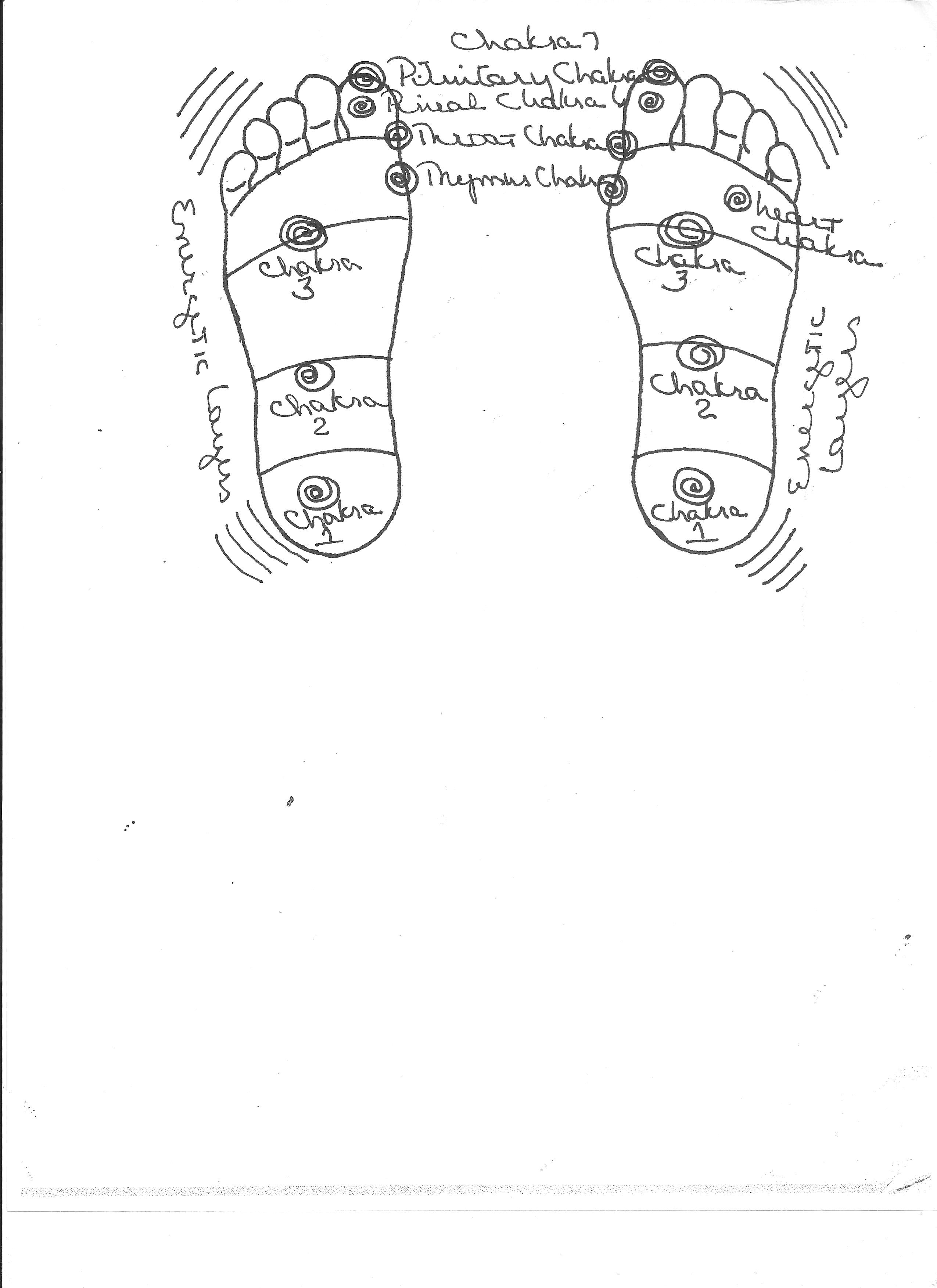
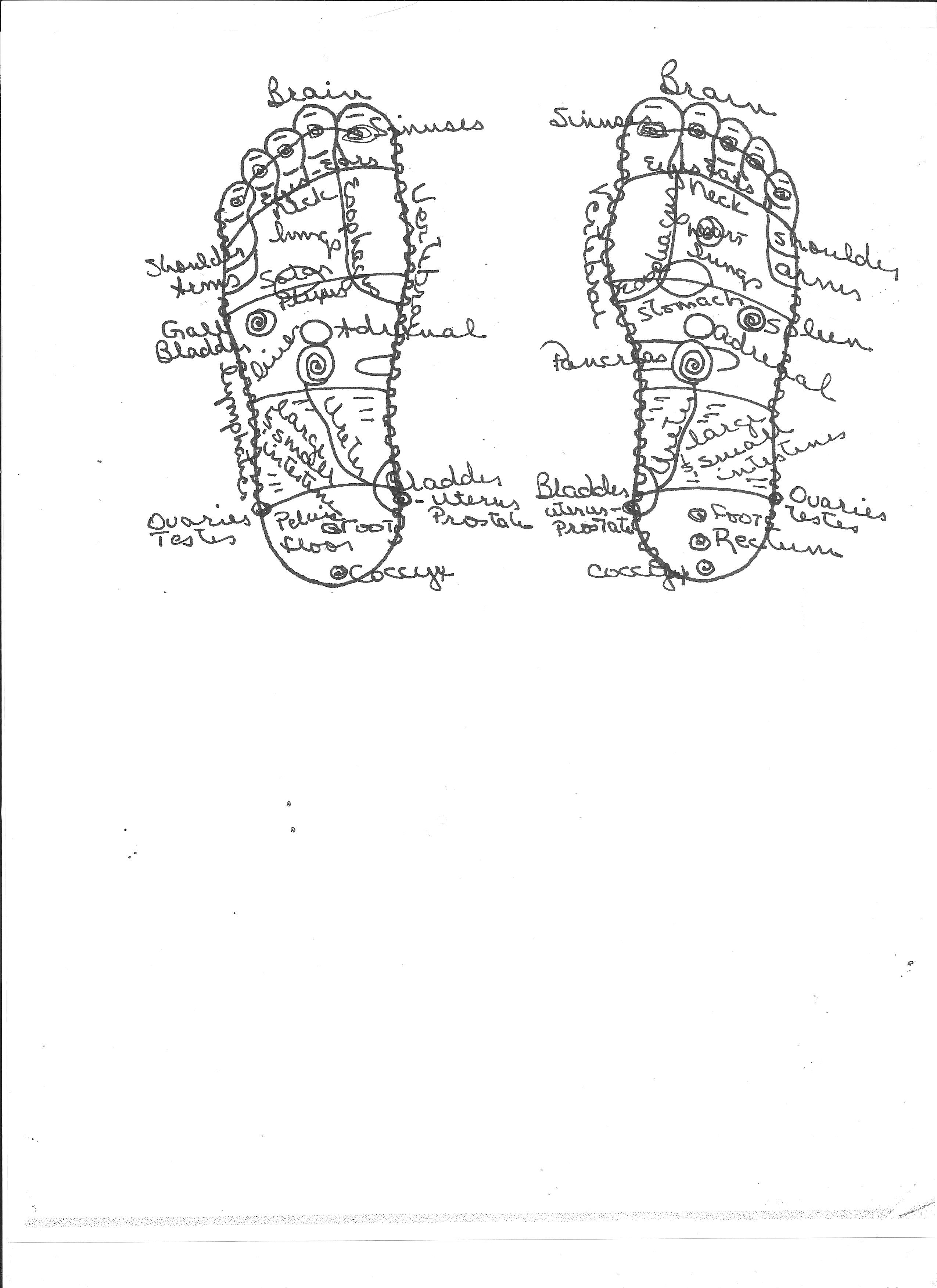
Your feet are your command center. Focus on a healthy future for your feet and for the rest of your body.
Did you study Reiki in your past but never really used it? Now is a good time to bring Reiki with you to your future.
Schedule regular sessions. The homeostasis offered by Reiki and reflexology cannot be overblown.
Thank you for reading this article. Please refer it to your preferred social media network.
Share this post with your friends.
Thurman Greco
10 Steps to Inner Fitness and a Life That Unsticks Itself.
We’ve all got a lot on our plates these days. All of us.
We’re at a point where it’s time to return to normal.
The question is this: What is normal anyway?
Certainly it’s not what we had before. It’s time to make way for a better life..
Whether we’re interested or not, our spiritual centers need encouragement, support, and protection. Inner fitness smoothes out the bumps in our travels through life.
I don’t know if I speak for everyone, or even anyone, but I find myself embracing this new normal while experiencing grief.
With a grounded inner core, a new normal is easier to find and recognize. Essential requirements for inner fitness include encouragement, support, safety, and self-confidence.
There are things you can do:
Think Positively.
Positive thoughts are essential – even before you get out of bed. When you wake, ask yourself “How can I be happy today?”
Happiness is the great equalizer. You are never too young or too old for happiness. Happiness doesn’t need education. Happiness doesn’t need good health. Happiness is the only thing I know that is available to everyone.
All happiness needs is for you to “be happy.”
Listen to Your Body.
When you listen, your body will talk to you. It will never lie to you as healing begins. Inner fitness is real.
Are you trying to adjust to your new reality? Do you want to change your life? Is something wrong, and are you trying to find out what?
Tune in to your body several times a day. Do you have pain anywhere? Is your spine aligned? What is your energy level? Are you hungry? Thirsty? Tired? Joyful?
Good Health is a Priority.
When you value your good health, you become a valuable person. You love yourself. When you expect excellent health, your thinking changes. Life unsticks itself.
Claim your wellness!
Respect Your Emotional Self
Your feelings are opportunities to grow. Emotions are messages from your body which will help set you free. Your emotions can help you understand pain, extra weight, sorrow, fear.
When you remove these feelings, you make way for joyful health, peace, grounding.
A better life emerges.
Connect with Your Community.
Get a part time job.
Or a full time job.
Read a newspaper.
Use your library.
Volunteer at a food pantry.
Join your local church or synagogue.
Teach someone to read.

Include Exercise Every Day
In 1513, Ponce de Leon discovered the Fountain of Youth in what is now St. Augustine, Florida. The Fountain of Youth still exists and keeps people everywhere healthy. There is at least one branch of it in your neighborhood, located on a sidewalk or roadside where you can walk every day.
If that’s not convenient for you, another nearby branch is in your local fitness center. You’ll be healthier when you visit it regularly.
Take a Grounding Break
Try meditation, walking your dog, giving your cat a massage, or staring out the window into nothingness.
The activity isn’t so important. What’s important is that, when you complete this small task, you’ll have given yourself a refreshing, grounding break.
You’ll continue with your day feeling more positive, relaxed. Your fresh new take on the day will ripple out to those around you.
Review Your Situation
Now might be a good time to write about important moments in your life. You don’t have to focus on what happened in your life. Focus, instead, on what you did about what happened to you.
Write short stories, essays, poems, or keep a journal.
Whatever you choose, if you need help, you may find it at your library.
Reflexology and Reiki
Do not overlook a weekly session. Both these modalities bring homeostasis which is crucial these days. Both these modalities are adaptable to many different situations.
Do you practice Reiki? No? Find a teacher. If you do…have you thought about a Reiki circle for your area?
We all need more Reiki. We all need more reflexology.
When I think about Reiki and reflexology, my heart sings!
Thank you for reading this article. Please share it on your favorite social media network.
Please send it to a friend.
Thurman Greco


7 Self-Care Tips to Boost your Diet
This post gives you a week’s worth of life-changing tools to help you boost your diet. Try them if they attract you in some way. If something feels good to you, then it probably is good for you.
The timing has to be right. Maybe you’ve tried one or two (or even all) of them in the past and they didn’t seem to work for you. That was then and this is now. Don’t go for them unless they attract you for some reason.
These tools will boost your energy, calm your mind, and help prevent or minimize some health problems.
TIP 1
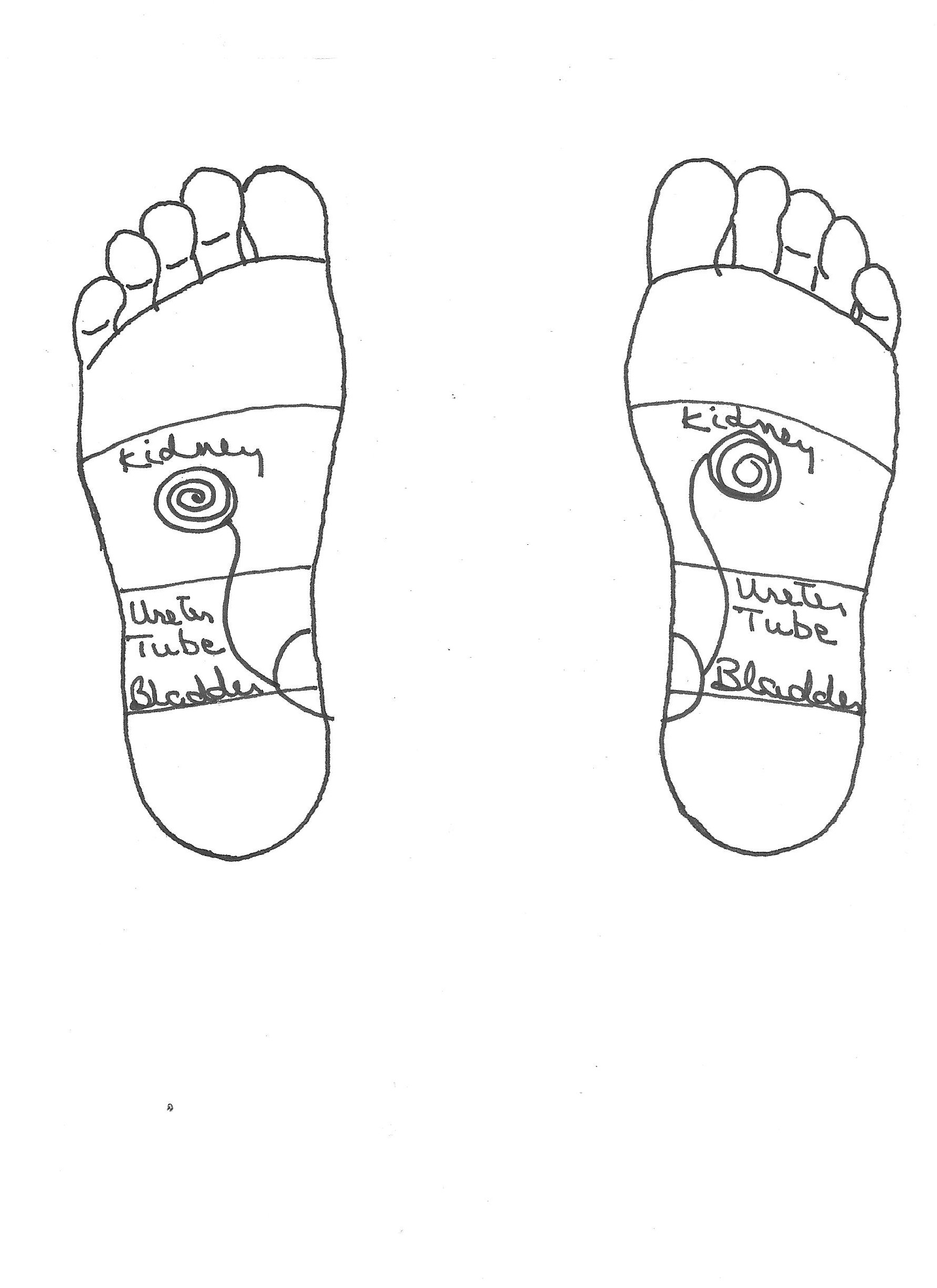
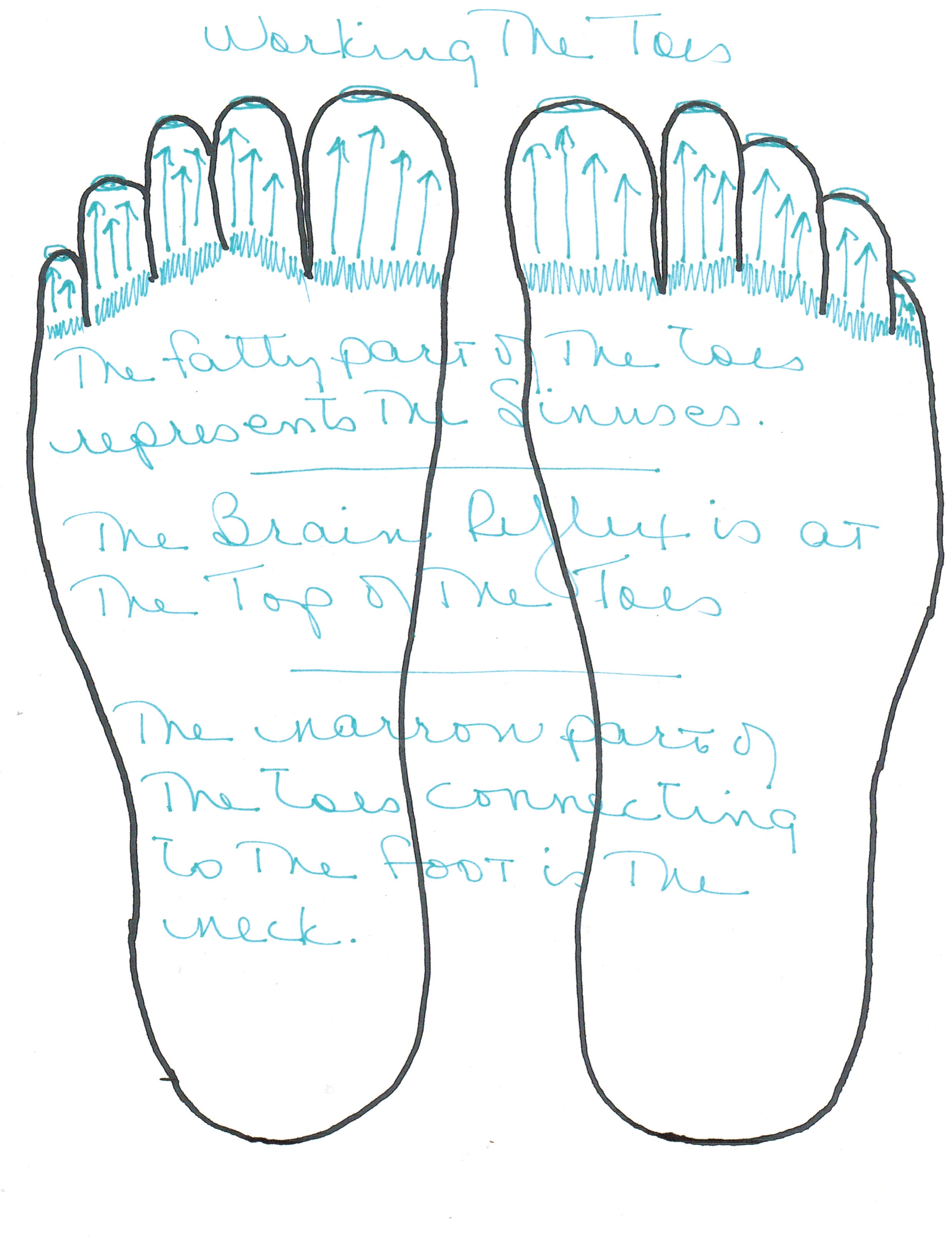
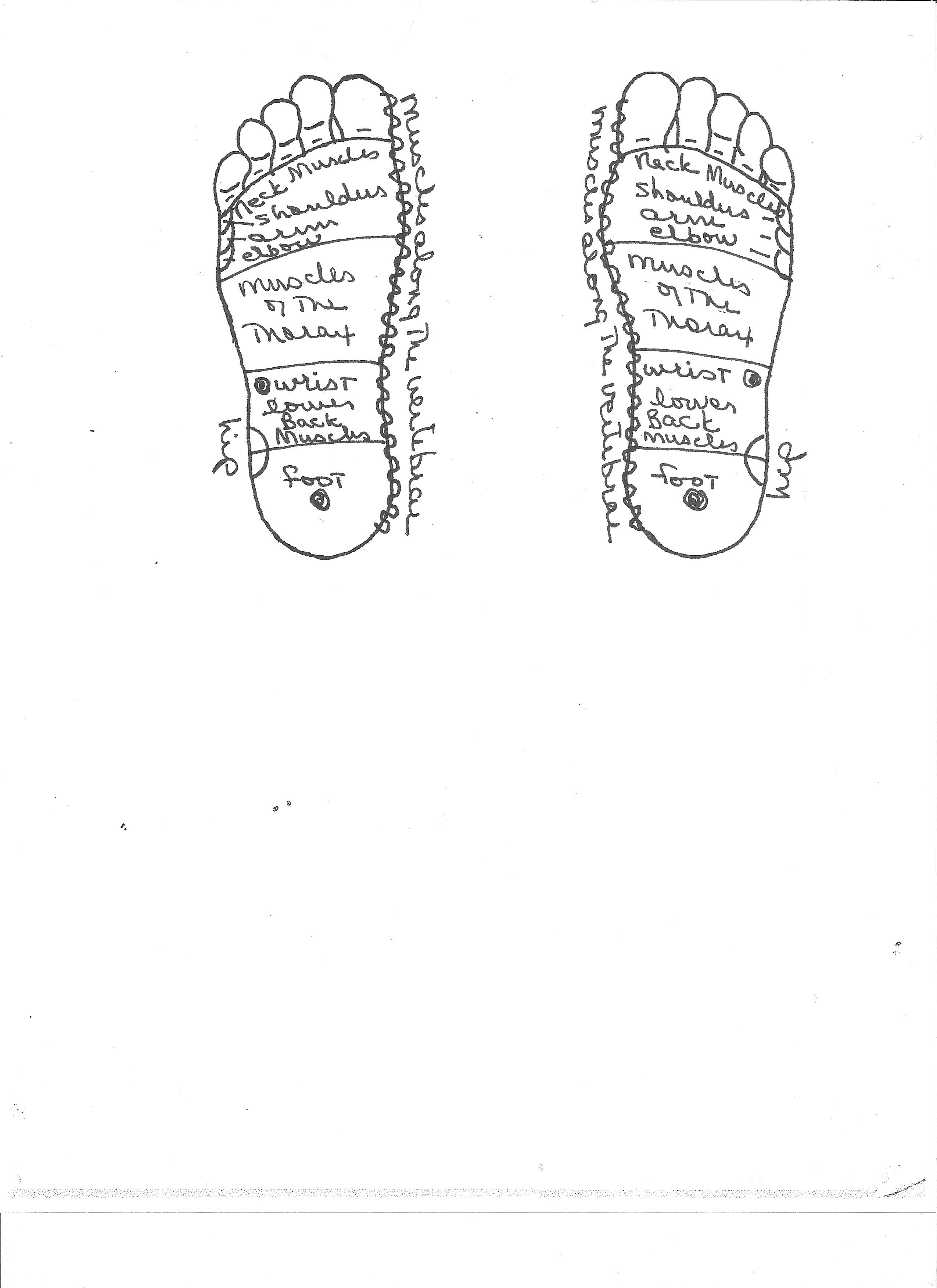
Go for homeostasis! This means reiki or reflexology.
Include one or both of these modalities in your schedule this week…and every week. I suggest distance reiki. Self-reflexology is a good option.
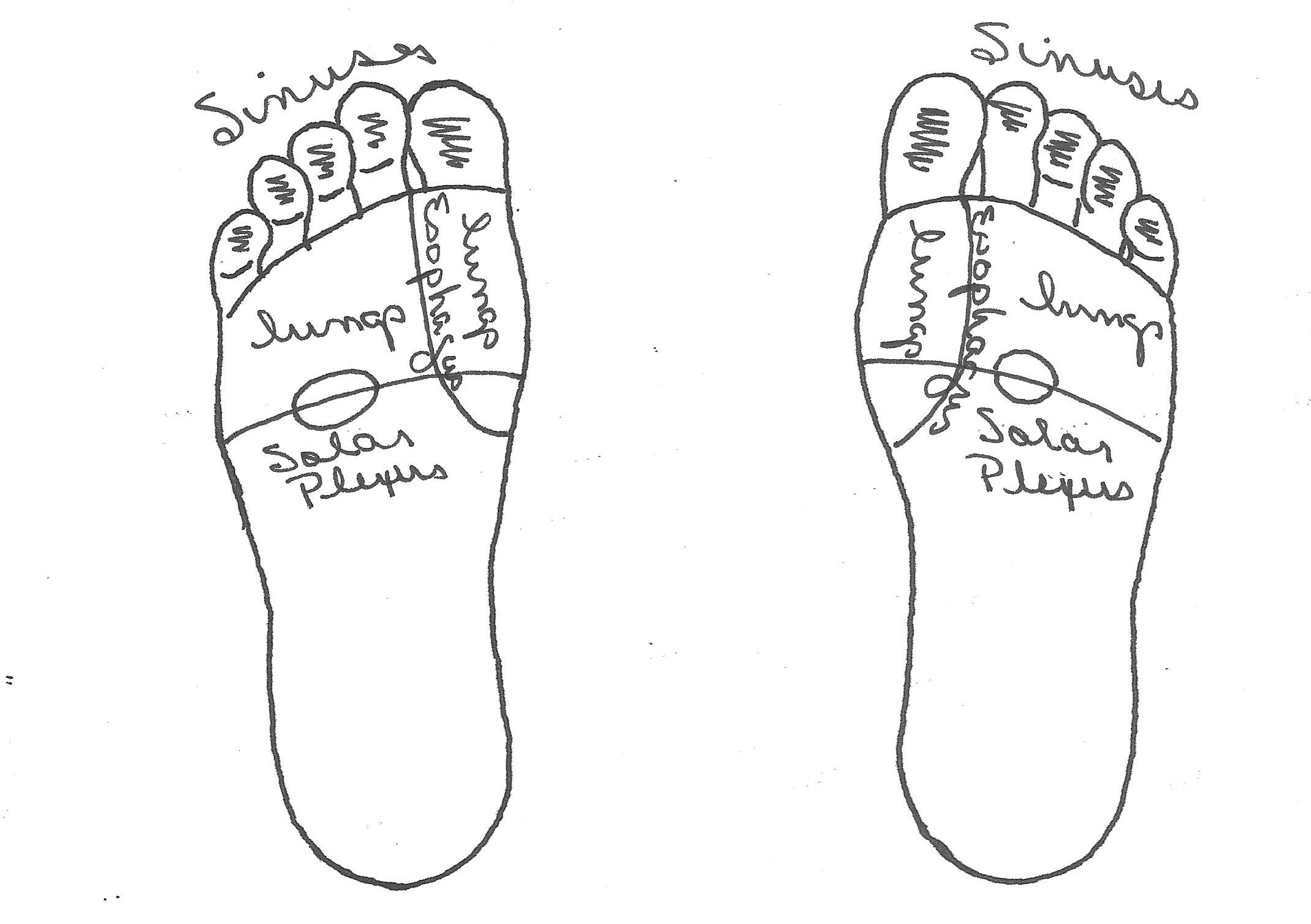
Hand reflexology is easy to use. Does the thought of hand reflexology seem challenging to you? Your library should have hand reflexology books on its shelves.
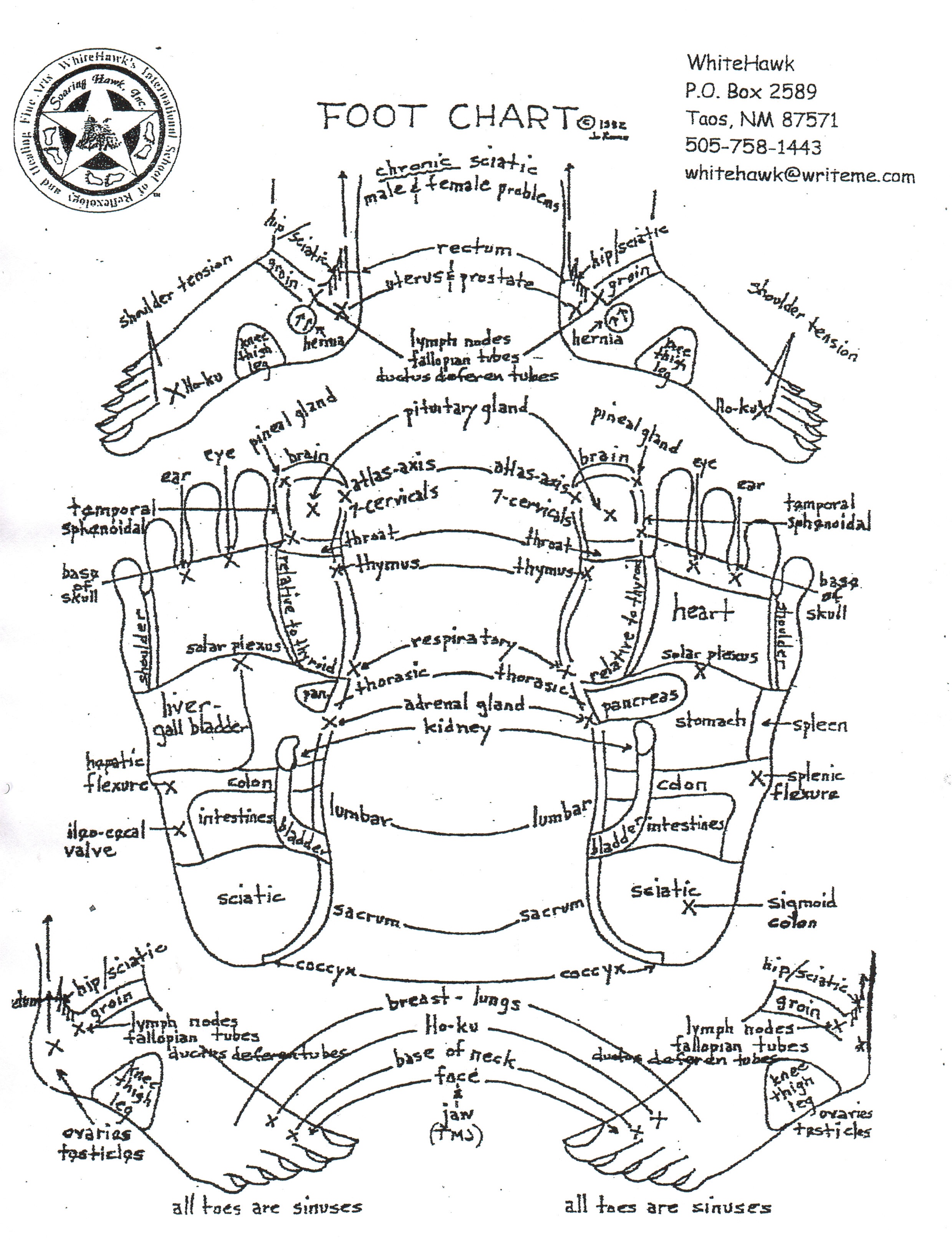
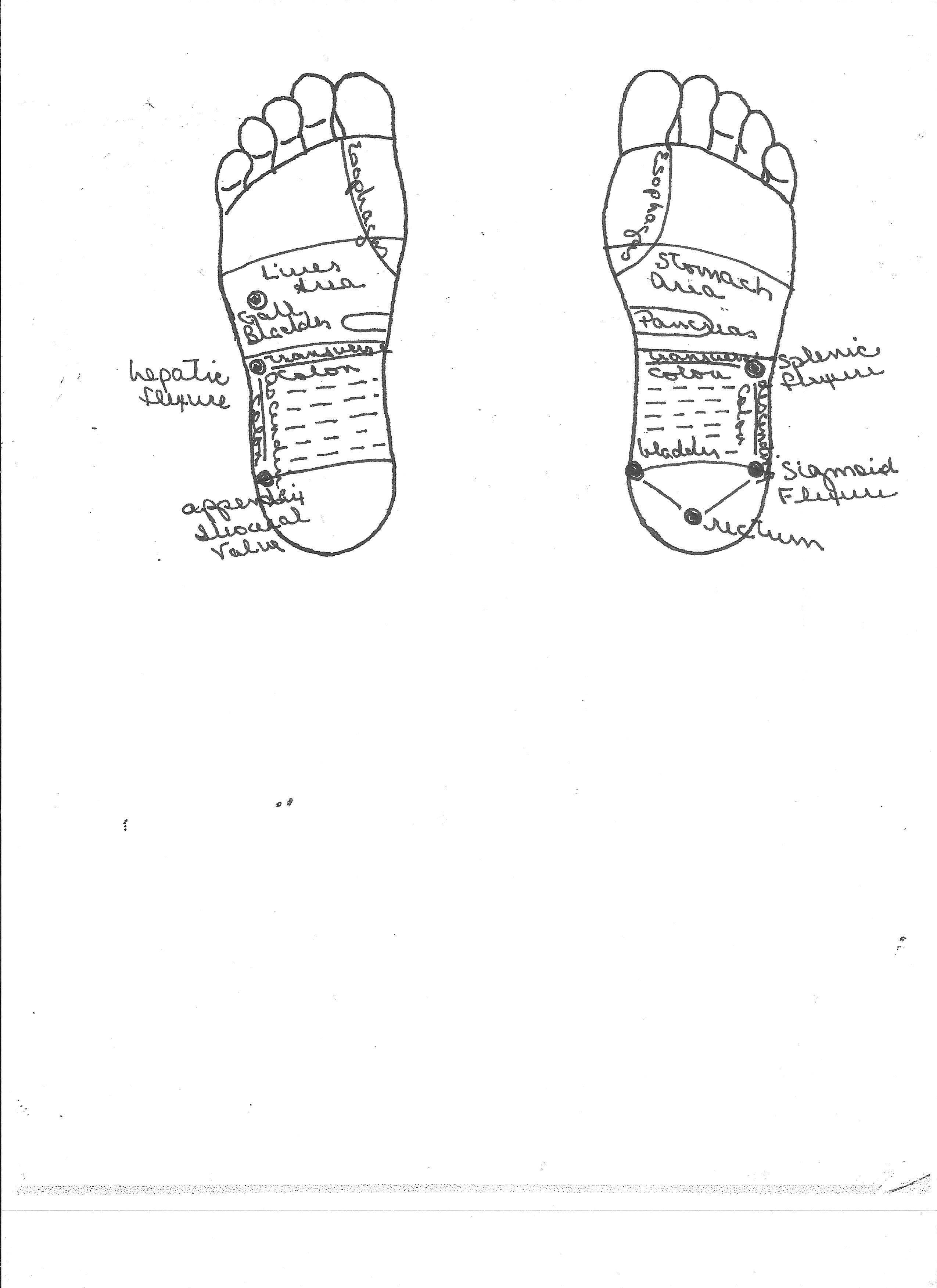
To simplify your hand reflexology journey, I’ll send you a hand chart and detailed instructions for reflexing your own hands.
Just send me your mailing address to thurmangreco@gmail.com and I’ll return them to you. There is no charge or obligation for this chart and instruction list.
TIP 2
Eat whole, fresh, locally-grown food.
Whatever diet plan you’ve chosen, this is a good tip for you and your diet. When you say “Yes!” to fresh foods, you minimize processed, packaged, shipped products.
When you eat fresh, your food will taste better. Your calories will not be so empty. Your food will be authentic.
You’ll find authentic food on the outer perimeter of your local food store or at a nearby farmers market.
TIP 3
Don’t skip your breakfast.
This meal can be anything from a serving of yogurt to a platter of eggs, bacon, and a hearty whole grain bagel.
Whatever you choose for your breakfast, include powerful berries. Their antioxidents can’t be overemphasized. Let a banana give you the potassium you need.
TIP 4
Skip the sugar. This doesn’t have to be a shock to your system. Begin sugar avoidance by skipping it one day a week. On this day, instead of sugar, include a sugar substitute on any food or in any beverage you would ordinarily use sugar.
There are many brands available. Try several until you find one you like.
If you feel weird without sugar, snack on some chocolate.
TIP 5
Water! Water! Water!
I know. My message is stuck when it comes to water. But, I mean it. Water gives you energy, moves toxins out, and makes your skin look younger. It also has 0 calories.
What more can we ask for?
If you’re not accustomed to water, I suggest this:
When you feel tired, drink a glass of water. No, don’t drink a glass of water. Instead, chug it right down. Now, wait a few minutes to see if you feel better.
When your lips feel dry, drink a glass of water.
What about your urine? What color is it? Concentrated urine has a murky color you don’t need. Drinking more water will get rid of the murky color.
TIP 6
Go Nuts
Daytime snacks are an essential taste treat between meals. They boost your energy midmorning and midafternoon. They are a welcome break from the day’s activities.
One snack which is good for your diet boost is nuts.
Walnuts, almonds, cashews, macadamia nuts give you energy, satisfy your appetite, and are high in anti-inflammatory fatty acids.
They do lots of other things too. Each nut is different and unique. Take a moment to read about all the wonderful things they do .
Instead of reaching for a sugary food, go for the nuts.
Thanks for reading this article, the first of several to help you boost your diet.
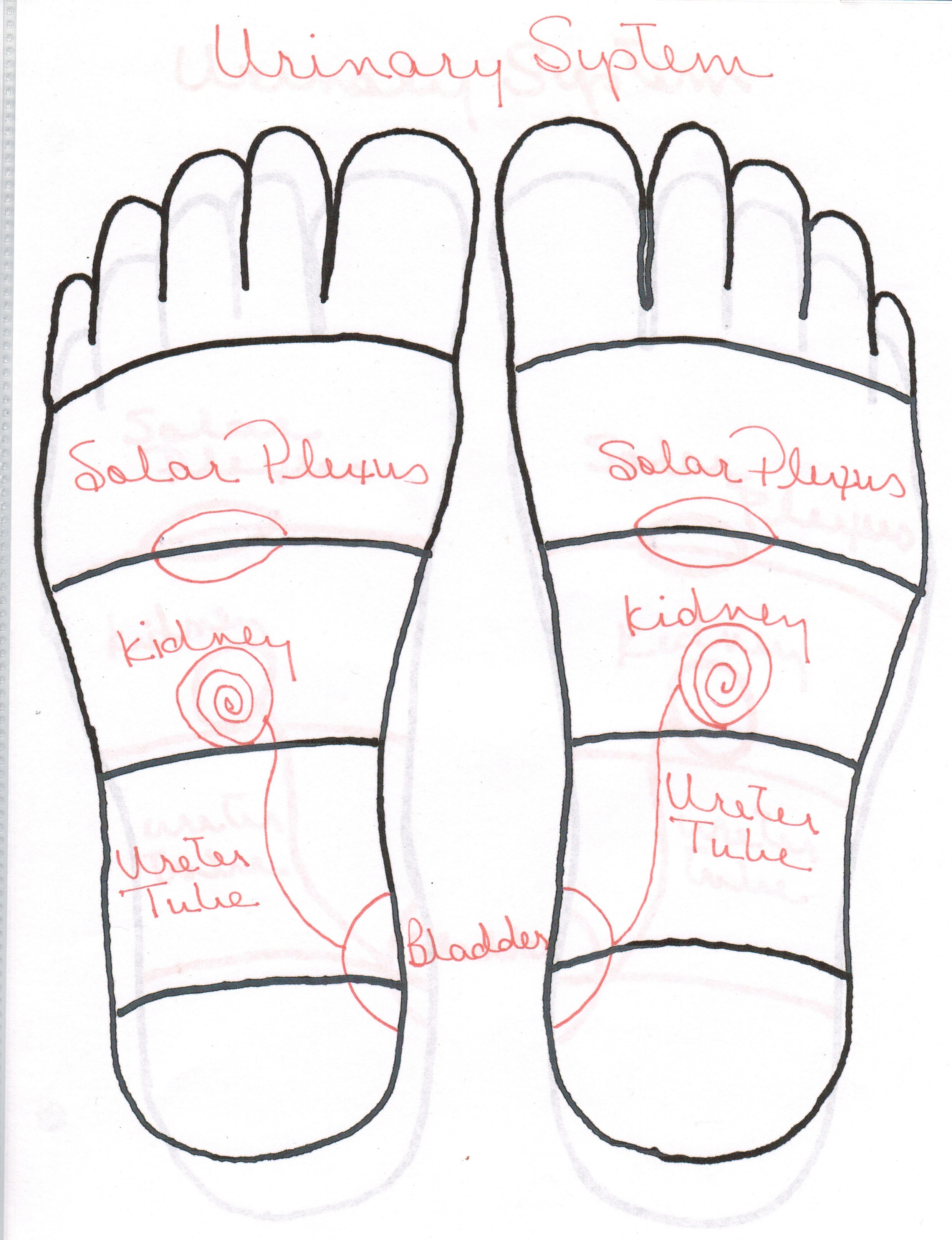
To get your free hand reflexology chart and instruction sheet, please email your mailing address to thurmangreco@gmail.com.
I look forward to hearing from you.
Thurman Greco
thurmangreco.com
Please share this article with your preferred social media network. And please send it along to a friend.
Thanks again for reading this article.
Reflexology, Reiki, and Your Self-Care Diet Journey
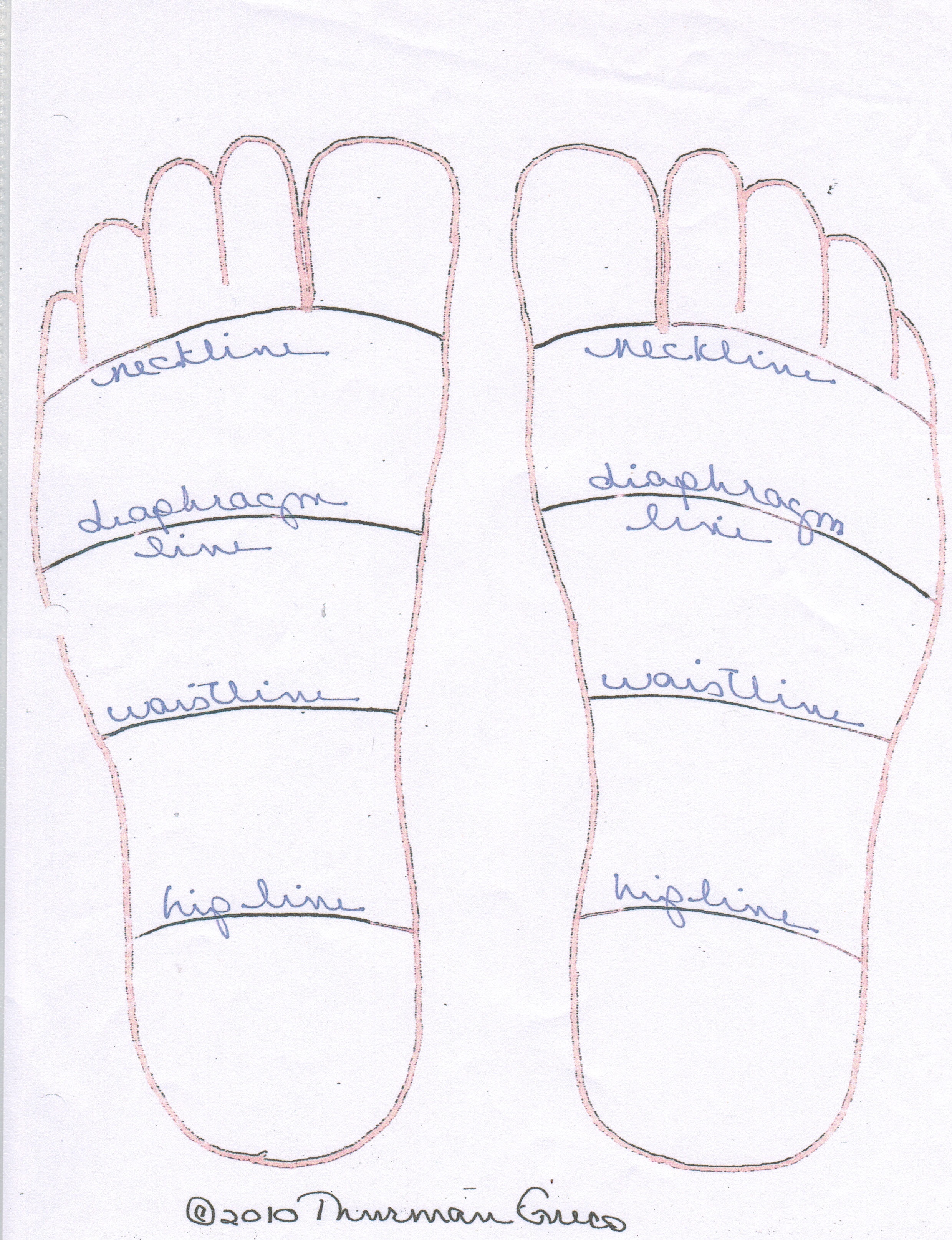
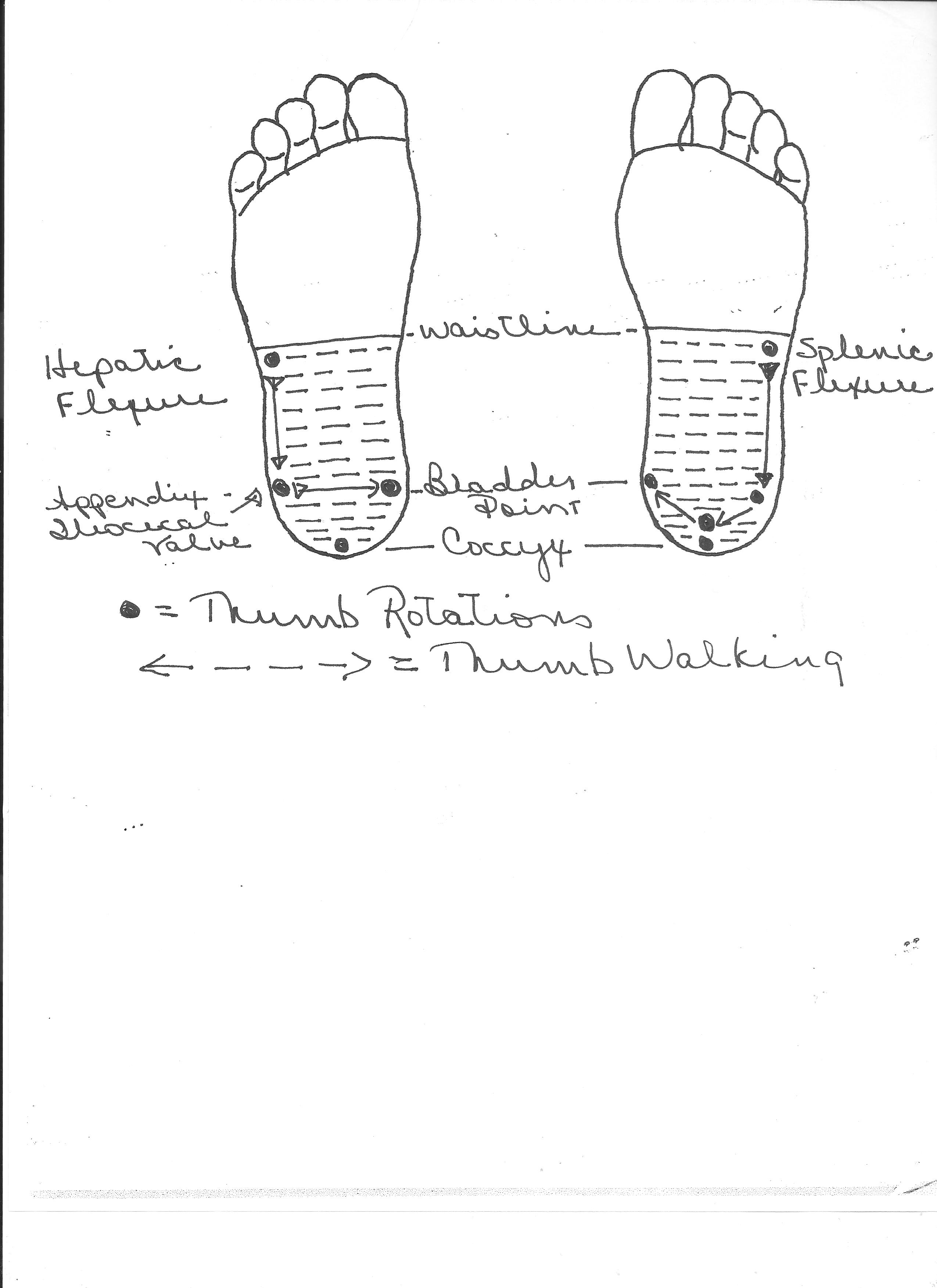
Your diet is a life-changing self-care journey.
A successful diet begins with a plan . For many, this plan begins and ends with the diet itself. Nobody gets past whether the diet is Keto or low carbohydrate or low calorie diet or any one of hundreds of weight-loss diets.
The diet itself is only a part of the total package. A diet is a time when you embark on a spiritual, mental, emotional, and physical self-care journey. And, surprisingly, it’s not really about getting to a certain body size. The quest for a body with perfect proportions is doomed before it even starts.
Your total diet package is a quest for a healthy body that functions, not just window dressing.
These upcoming blog posts are keys focused on helping you achieve your goal. They offer you tools to change your life so that you achieve your own goals. There is no authority here telling you what is best for you.
Except you. You are your own authority. No one is going to challenge what is right or wrong for you.
This is your ultimate self-care manual. As you read these blog posts, use whatever tools work best for you, your health and your well-being.
They help you achieve your self-care goals as they share ways to boost your energy, enliven and calm your mind, balance your emotions, and prevent, control, and reverse health problems you experience.
Your life-changing, self-care journey begins with reflexology and reiki sessions. My hope is that you will schedule at least one session each week.
Keep a journal describing your feelings and reactions after each session:
Are you sleeping better?
Are you calmer?
Maybe you are more excitable.
What about your bowel movements?
What does your skin look like?
Whatever happens to you, write down what you observe. It may take several sessions before you feel and observe differences. Or, you may see changes from the first session.
There is no wrong or right way to experience reflexology and Reiki. Each person is different.
Regular sessions are important for your self-care diet journey.
You may perceive some obstacles here. Now is a good time to overcome them. Find a Reiki master teacher and learn Reiki 1 if you don’t know where to get the sessions. A Reiki 1 class will teach you everything you need to help yourself in a successful journey.
Is $$$ an obstacle? Offer an exchange of some kind.
Regular foot reflexology sessions are ideal. if you don’t know a reflexologist, get a book and chart on hand reflexology and give yourself a session.
Thank you for reading this blog post. It’s the beginning of several articles written with you and your successful diet in mind. The things I suggest in them are not listed by how important they are.
Each suggestion is equally important. More important is how they interest you. And how each item motivates you to progress on your journey. I’m hoping you will see each change you make as an achievement toward your goal.
As you continue down your diet path, I’m hoping you will let each change be a new habit you can live with for the rest of your life.
Please post this article on your favorite social media network. Share it with a friend.
I’m looking forward to joining you on your journey.
Thurman greco
reflexologyforthespirit.com
thurmangreco.com
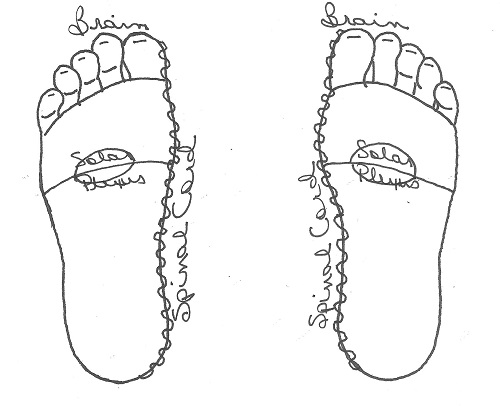
On a Diet? – Reflexology Self-Care Takes You the Extra Mile to Success.
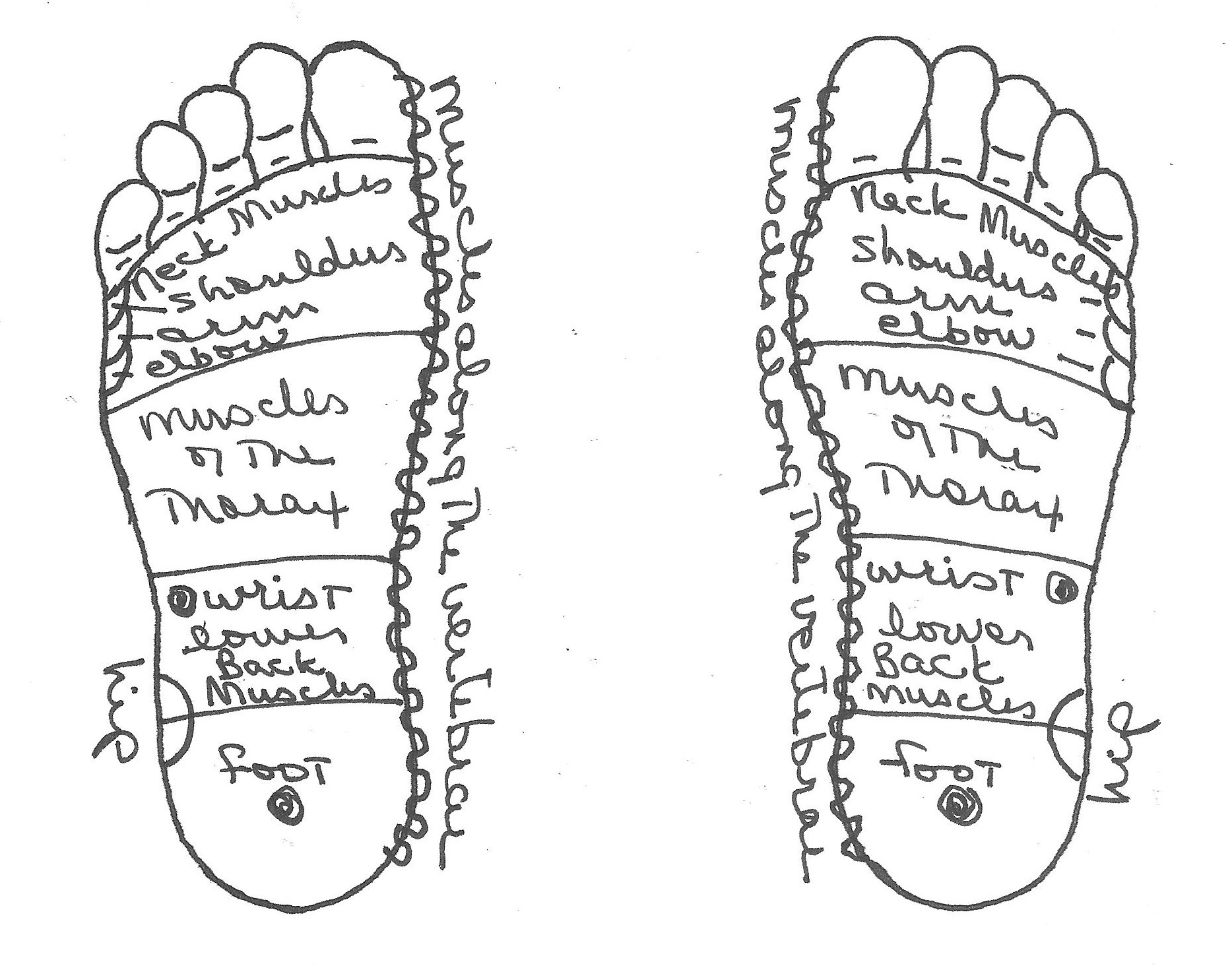
Are you on a diet? Are you trying to “cut back” on foods? Or, are you just thinking about thinking about it all.
Whatever your situation, regular reflexology or Reiki sessions are important. If a reflexology session does nothing else, it will calm and balance your body and your soul. Homeostasis. That’s not peanuts, guys. It’s self-care!
Your first step to your ideal weight is calm. Your first step to calm is a reflexology session . Regular sessions bring calm, peace. They bring homeostasis to your life and your body.
People who receive regular reflexology sessions sleep better, chew their nails less, have more regular bowel movements, experience less heartburn.
When you are calm, it is easier to congratulate yourself on your successes, no matter how small they seem.
There is one other thing reflexology sessions do: Regular reflexology sessions invite mindful and enjoyable activities in your life.
Your diet will work better when you are able to make eating a mindful and enjoyable activity.
Eating becomes mindful at the start, when you set the table for your meal. Use a placemat or table cloth when you set out your dishes. Use nice dishes. Set a calm scene for your meals – especially if you eat alone.
When eating alone, have a special plate and napkin that you use.
Whether you eat alone or with others, you want your experience to be enjoyable.
Do not eat food in your car – or on the bus – or train. (Your car is a good place to drink water.)
Don’t let yourself get distracted by your TV, computer, phone, or IPad. You will do this by reserving your meal as a special time for calm. You want to enjoy your meal. Taste each bite. What are you eating? What color is each food? How does it taste?
Notice your feelings.
Eat slowly. Make each bite small – smaller than your thumbnail. Chew each bite.
Notice your feelings. Have you eaten enough? You can check in with your hunger level. When you are no longer hungry, stop eating.
Have you eaten everything on your plate? No?
It’s okay. The important thing is to enjoy your meal in calm and mindfulness.
Thank you for reading this blog post.
Please refer this article to your preferred social media network.
Please share with your friends.
Thurman Greco
8 Easy Tips for Losing Weight
When you were a child, did you ever hear “Eat everything on your plate. Hungry children need this food.” ?
I certainly did. It never occurred to me that I was never going to help a hungry child get enough food by eating everything on my plate.
As an adult, I found a better way to help alleviate hunger. I donated food to a food pantry or soup kitchen. (And, that led to a whole new career path!)
Leaving food on my plate has no impact on whether another person a block away or around the world gets enough to eat. Donating food to a food pantry or soup kitchen will help.
Do you see that extra serving of lasagna sitting on a shelf in your refrigerator as something you don’t need? Toss it in the garbage instead of eating it. Better yet, toss it before it even gets to the refrigerator.
It’s better to throw the food away before you feed yourself something you don’t need. Eating too much food is bad for your health and well being.
Instead of eating that extra slice of apple pie, get it out of your life.
There are things you can do to prevent overeating:
Tip 1
Schedule a weekly healing reflexology or Reiki session. You will be calmer. Your life will be less stressful. The homeostasis offered by regular reflexology sessions will help make your diet experience easier.
Tip 2
Learn a new hobby: painting, knitting, boxing, walking, singing. Your choices are endless.
Tip 3
Join a gym. When you work out at the gym, you’ll feel better, meet new friends, and look better too.
Tip 4
Learn some healing skills to use on yourself, friends and family. Both Reiki and Reflexology are fun to learn and use.
Tip 5
Replace your hunger for food with water. Your body may be telling you it’s thirsty – not hungry. The moment you feel hungry or thirsty, drink something.
Water is the most important fuel you can give your body. Drink water at the first sign of fatigue. Why? Your body is about 60% water.
Tip 6
Have a water bottle you like and carry it with you everywhere.
Tip 7
There are several hydration apps to remind you to drink water throughout your day, all day. Add one to your smart phone. One example: Waterlogged.
Tip 8
Don’t like the taste of water? Add lemon, lime, sliced cucumbers, frozen berries to your water.
I hope the information on this post has been interesting and helpful. Please forward it to your preferred social media network.
Share it with your friends.
www.refrexologyforthespirit.com
Thanks for reading this article.
Thurman Greco

Reiki: When Your Diet Changes Your Destiny – a Reader Request Article
A Reiki moment surfaced several years ago when a co-worker embarked on a diet. 100+ pounds overweight, when she told her husband her plans, he didn’t hesitate :
“NO. I WANT NOTHING TO DO WITH YOU IF YOU GO ON A DIET. ”
My co-worker was rewriting her destiny and he simply didn’t want to share her experience.
It was time for Reiki.
Diets are all about weight loss and spiritual offloading.
As your diet progresses, you first become more conscious of yourself and others.
Second, you become responsible for your own healing.
Third, you make changes to support your wellbeing.
Many times, when you release your past, you understand how it connects with your present situation.
Do you want to make necessary changes in your life? This moment offers three paths.
First, this moment sometimes stops the diet completely. Second, your weight loss may pause for several days. Or, third, the weight loss continues on.
Whatever happens, this is a good time to add regular Reiki sessions to your schedule.
When it comes to Reiki therapy, most of us never give it a second thought – until we need it.
Why do you need Reiki? What can it do for you? Again, the situation offers three options:
Do you know about Reiki? Have you received Reiki in the past? Do you receive sessions now?
Jump right in! Take a Reiki 1 class. Then a Reiki 2 class.
That’s how I learned Reiki. I knew I needed it but didn’t even really know what it was. I looked around for a teacher and scheduled an introductory (Reiki 1) class from Mary Ruth Van Landingham at Terra Christa in Vienna, Virginia.
For starters, Reiki offered me a spiritual support system when I needed it. Neither religion nor cult, Reiki is a destiny tool giving me much when I was open to its light touch.
Second, I found Reiki when it was time to change my old patterns and declare freedom from some baggage I’d been dragging around for years. I wanted to see beyond a limited reality.
It worked. I saw an expanded one, filled with light.
When I became a Reiki practitioner, I sent the light.
Third, you won’t read much about Reiki in diet books, but it’s there for you. It works well and smooths the transition to your new life when you rewrite your destiny.
What more can you ask for?
Thank you for reading this article.
Please forward it to your preferred social media network.
Please share this blog post with your friends.
Thurman Greco
P.S. This post was a special request. If you have a reader request, please contact me at thurmangreco@gmail.com.